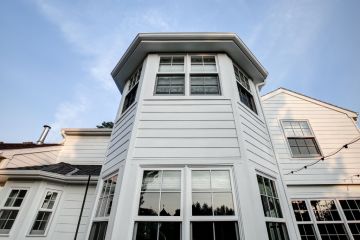
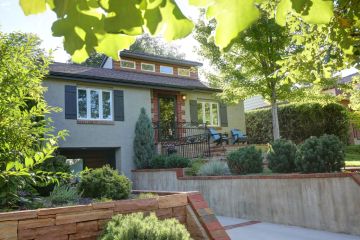
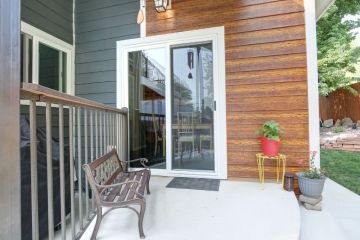
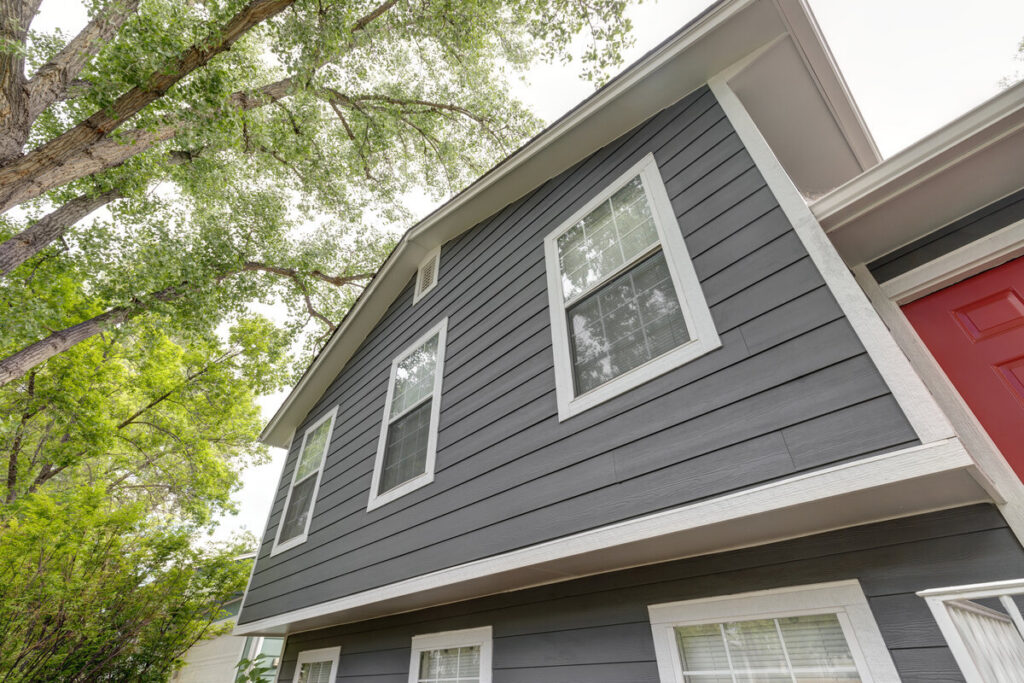
If window grid styles are on your list of decisions, understanding what each option does for appearance and visibility will make the process easier. Grids influence how the glass reads, how the exterior aligns, and how the window performs in daily cleaning.
We focus on style, proportion, and long-term care when guiding clients through these choices. These points help you compare patterns and select a grid style that fits your project.
What Window Grids Are and Why They Matter
Window grids, also called grilles or muntins, are narrow bars that sit on or inside the glass to mimic smaller panes. They change how the glass looks without changing the size of the opening.
Grids influence three key points. Style, light, and maintenance. The layout and thickness of the bars set the tone for the front of the house. They also frame views and can make glass feel more open or more divided. Cleaning and long-term care work differently for each grid type, which matters in a dry and dusty climate.
Key Takeaway. Treat grids as a design choice and a practical choice. The right pattern should match the house style and fit your daily habits for cleaning and views.
Window Grille Types Explained
Integral Light Technology Grilles
Integral Light Technology grilles use contoured bars on both sides of the glass with a spacer inside. This creates depth and shadow that looks close to true divided light.
We like ILT for clients who want a classic, detailed look with strong energy performance. The insulated glass remains intact, so comfort and efficiency stay high while the window still reads as traditional.
Simulated Divided Light Grilles
Simulated Divided Light grilles place bars on the exterior and interior glass surfaces, often paired with a spacer in the air gap. The effect is similar to older wood windows with individual panes.
SDL works well on historic style projects or districts that expect a specific look. It also pairs nicely with fiber cement siding and detailed trim packages where character is a priority.
Grilles Between the Glass
Grilles between the glass sit inside the insulated unit. Both interior and exterior glass faces stay smooth. Cleaning becomes as simple as wiping a flat surface.
This option suits busy households and high-reach glass. It keeps the suggestion of panes without extra corners that catch dust or fingerprints.
Pro Tip. If easy cleaning is the top priority, start your grid discussion with grilles between the glass, then compare the look against SDL and ILT on a sample board.
Grille Profiles and Materials
Profiles are the shapes and widths of the bars. Common options include flat, contour, and sculpted.
- Flat profiles create a cleaner, more modern line
- Contour profiles add a soft curve and subtle shadow
- Sculpted profiles mimic traditional wood joinery
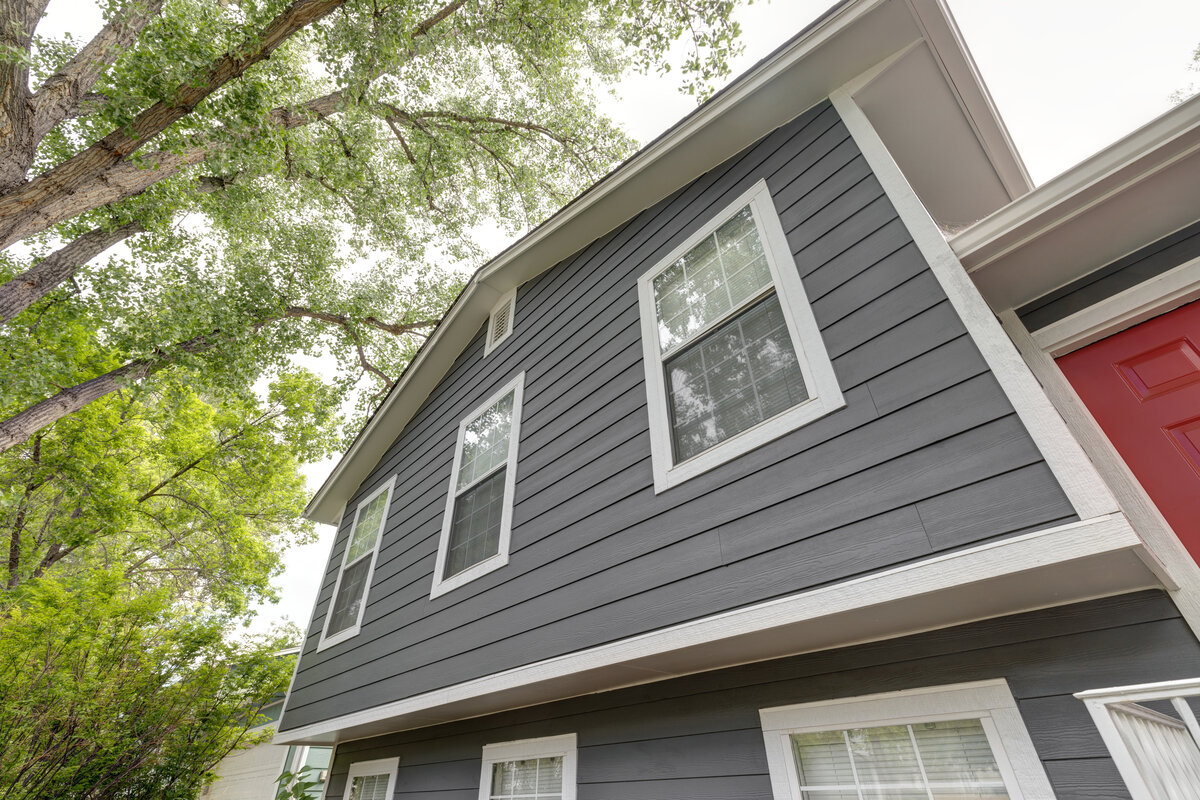
Widths usually range from narrow bars that feel light and subtle up to wider bars that read bold from the street. Color choices can match the sash or contrast with it for more drama. On Colorado projects, black and dark bronze grids on lighter frames have become very popular.
Window Grid Patterns by Architectural Style
Colonial Grid Patterns
Colonial grids divide the sash into equal rectangles, often in sets like six over six or four over one. They fit traditional, Cape Cod, and many two-story styles that favor symmetry.
Prairie Grid Patterns
Prairie grids arrange a larger open field in the center with smaller rectangles around the edges. This pattern came from Prairie School architecture and works well on modern, mid-century, and farmhouse-inspired designs.
Craftsman Grid Patterns
Craftsman grids usually place bars in the top portion of the sash only, with a clear lower field. This suits bungalows and Craftsman homes where the top sash carries more detail.
Farmhouse Grid Patterns
Farmhouse grids lean simple. One or two vertical bars or a basic four-lite pattern in the top sash keeps the glass clean while still tying into rustic or rural details like board and batten siding.
Custom Grid Patterns
Custom layouts, such as diagonal or geometric patterns, give more control for unique facades, accent windows, or special rooms. We use custom grids when a standard pattern does not match the trim, roofline, or surrounding windows.
Key Takeaway. Decide on the house style first, then pick a grid pattern that reinforces it. A consistent pattern across each elevation looks more deliberate than mixing too many styles.
How Window Grid Styles Match Bellwether Window Options
Different window types display grids differently. Double hung units handle classic patterns well, while picture windows often need simpler layouts to avoid a crowded look. Casement windows usually work best with vertical bars or Prairie patterns that keep the sash clean.
For larger glass walls or grouped units, we align grid lines across each window so sightlines stay straight. This keeps the design consistent and balanced from room to room.
Need expert help with a window replacement or full exterior update. Contact Bellwether Homes for a free consultation.
Window Grids or No Grids
Grid-free glass can be the right choice when views or modern lines matter most. Large openings facing mountains or city skylines often look better without visual breaks.
Homes with smaller front elevations or classic detailing may benefit from added grid structure. Grids can improve proportions and help the exterior read more balanced and complete.
Cost, Cleaning, and Maintenance Considerations
Grid type affects both price and upkeep. Grilles between the glass usually cost less and clean the fastest because both surfaces stay smooth. SDL and ILT add more depth and detail but come with a higher price point.
Colorado dust and snowmelt can collect on exposed bars, so we review cleaning habits and access before finalizing a choice. This helps ensure the grid style stays practical for daily use.
Key Takeaway. Compare cost and cleaning needs for GBG, SDL, and ILT early so you know exactly what each upgrade delivers.
Bellwether’s Recommendations for Colorado Homes
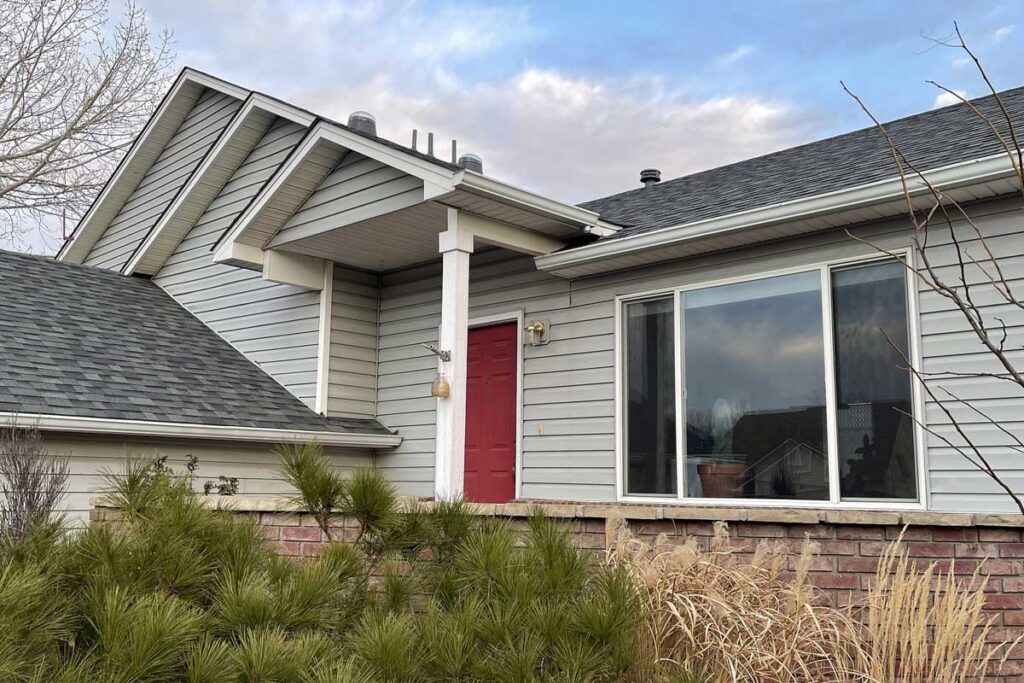
We see strong demand for black grids on light frames, simple Prairie layouts on large windows, and Craftsman patterns on front elevations. Homes with major views often keep grids off the rear to protect visibility and use more detail on the front for curb appeal.
We also consider siding and trim when choosing patterns. A busy exterior pairs well with simpler grids, while a cleaner exterior can support a more decorative layout.
Get Design Help Before You Order
Grid decisions are hard to change once the glass is ordered. We encourage every client to review samples, photos of past Bellwether projects, and scaled drawings before signing off.
If you are planning new windows or a full exterior update, we can help match window grid styles, colors, and patterns to your siding, trim, and roof. Reach out to Bellwether Homes to schedule a design consultation and get a detailed quote for your Colorado home.