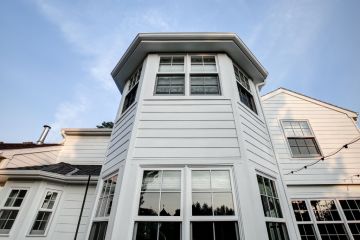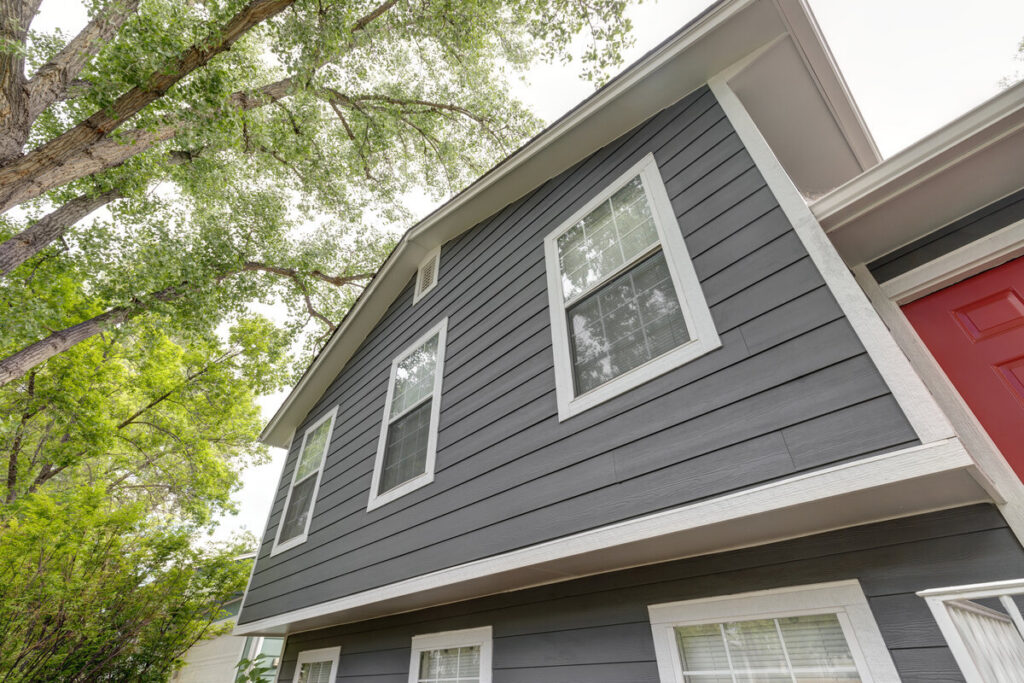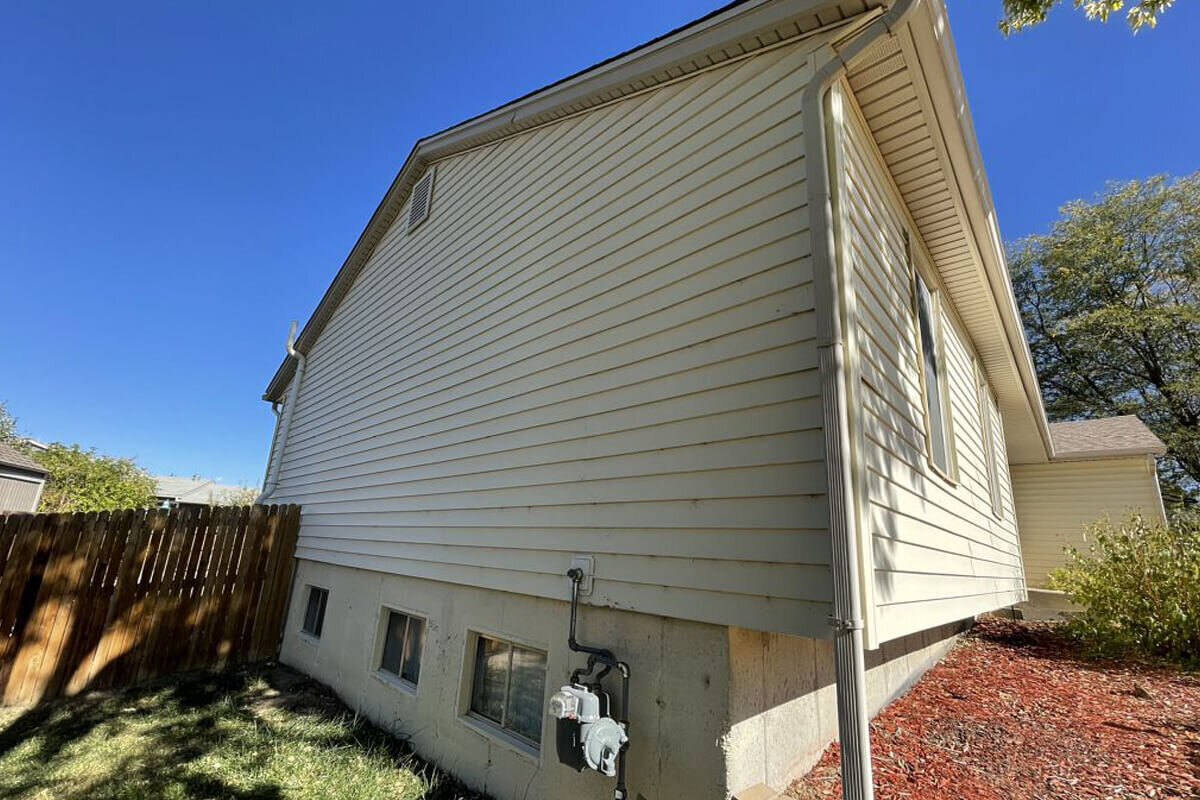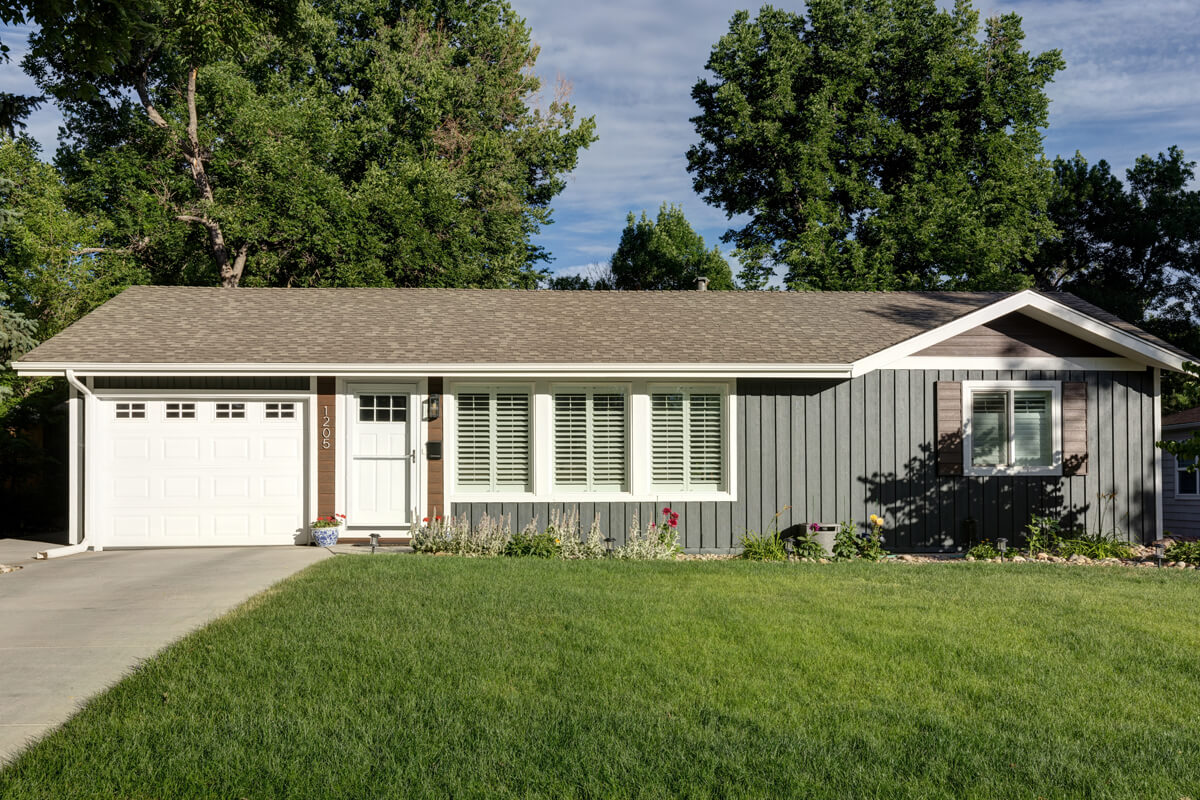
Homeowners in Colorado continue to face rising insurance premiums driven by hail claims, wildfire exposure, and severe weather risk. Exterior materials directly influence how insurers assess a home’s vulnerability. In certain cases, carriers determine that Hardie Board has lower insurance risk because fiber cement siding improves fire resistance, impact durability, and moisture performance. Any premium adjustment depends on your provider, property location, and verified installation standards.
Does Hardie Board Lower Insurance in Colorado?
The short answer is sometimes. Insurance companies calculate premiums based on risk. Exterior materials play a role in how they evaluate that risk.
In Colorado, carriers often assess:
- Fire exposure and wildfire zones
- Hail frequency and past claims
- Wind resistance
- Moisture intrusion risk
- Overall structural durability
When you install James Hardie fiber cement siding, you improve several of these categories. Some insurers recognize this improvement and offer a discount.
Why Risk Reduction Matters to Insurers
Insurance companies look at claim frequency and severity. Fiber cement siding reduces the likelihood of:
- Fire spread from exterior ignition
- Hail damage compared to vinyl
- Rot-related structural repairs
- Pest damage from wood-boring insects
Lower potential claim costs can translate to premium savings, though not all carriers structure policies the same way.
Key Takeaway: Always verify directly with your insurance provider before assuming you qualify for a discount.
Why Insurance Companies Favor Fiber Cement Siding
Non-Combustible Performance in Wildfire Areas
James Hardie siding is non-combustible. It will not ignite when exposed to direct flame. In wildfire-prone parts of Colorado, that matters.
Wood siding adds fuel. Vinyl can melt and expose sheathing. Fiber cement maintains structural integrity longer, which can slow fire progression.
Impact Resistance Against Hail and Wind
Colorado ranks among the top states for hail claims. Fiber cement siding withstands impact better than vinyl, which can crack or puncture under hailstones.
Reduced storm damage means fewer repair claims over time. Insurers pay attention to that.
Moisture and Freeze-Thaw Durability
Snow, ice dams, and rapid temperature shifts create moisture risk. Fiber cement resists swelling, cracking, and rot.
That durability lowers the chance of water intrusion claims.
Pest and Woodpecker Resistance
Woodpeckers often damage wood siding in Colorado neighborhoods. Fiber cement does not attract insects or provide food sources for pests.
Less damage equals lower maintenance and fewer claims.
How Much Can You Save?
Savings vary by carrier and policy type. Typical discounts range from small percentage reductions to modest premium credits.
Factors that influence savings include:
- Your ZIP code risk rating
- Your deductible structure
- Your home’s age
- Documentation of certified installation
Many homeowners see improved underwriting classifications rather than dramatic price drops. The value comes from long-term stability and fewer premium increases after storms.
Pro Tip: Ask your insurer if upgrading to fiber cement siding qualifies as a “risk mitigation improvement” rather than simply asking about discounts.
Need expert help with siding replacement? Contact Bellwether Homes for a free consultation. We evaluate your home, discuss insurance considerations, and provide clear installation plans tailored to Colorado’s climate.
What Insurance Companies Require to Approve Discounts
Even if a carrier offers credits for fiber cement siding, documentation matters.
Installation Quality
Proper flashing, moisture barriers, and fastening methods affect performance. Insurance companies may request proof that the installation followed the manufacturer’s guidelines.
Product Verification
You may need:
- Manufacturer documentation
- Invoices showing the material type
- Contractor certification details
At Bellwether Homes, our team installs James Hardie products according to climate-specific best practices. That documentation helps homeowners when submitting updates to their insurer.
How Hardie Board Compares on Insurance Risk Factors
| Feature | Hardie Board | Vinyl | Wood |
| Fire Resistance | Non-combustible | Melts | Combustible |
| Hail Resistance | High | Moderate to Low | Moderate |
| Moisture Resistance | Strong | Moderate | Vulnerable |
| Pest Resistance | Yes | Yes | No |
Fiber cement improves a home’s durability profile across multiple risk categories. That comprehensive protection is what supports the idea that Hardie Board has lower insurance potential in certain policies.
Key Takeaway: Even if savings are modest, reduced repair frequency and stronger protection add long-term value.
Beyond Insurance: The Long-Term Investment Value
Insurance savings should not be the only factor in your decision.
Fiber cement siding offers:
- 30-year product warranties
- Strong finish durability
- Improved curb appeal
- Higher resale confidence
Many buyers in Colorado prioritize fire-resistant and hail-resistant exteriors. That market demand adds resale value.
Steps to Take Before and After Installation
Before installation:
- Call your insurance carrier
- Ask about fiber cement siding credits
- Confirm documentation requirements
After installation:
- Submit proof of materials
- Provide contractor certification details
- Request a policy re-evaluation
Taking these steps ensures you capture any available savings.
Final Thoughts on Insurance and Fiber Cement
Insurance premiums continue to rise in Colorado due to severe weather and wildfire exposure. Exterior upgrades that reduce risk can position your home more favorably with underwriters. Fiber cement siding strengthens fire resistance, impact durability, and moisture protection.
If you are considering siding replacement, we can walk you through product options, performance expectations, and insurance documentation. Schedule a consultation with Bellwether Homes today to see whether Hardie Board has lower insurance potential that applies to your home.