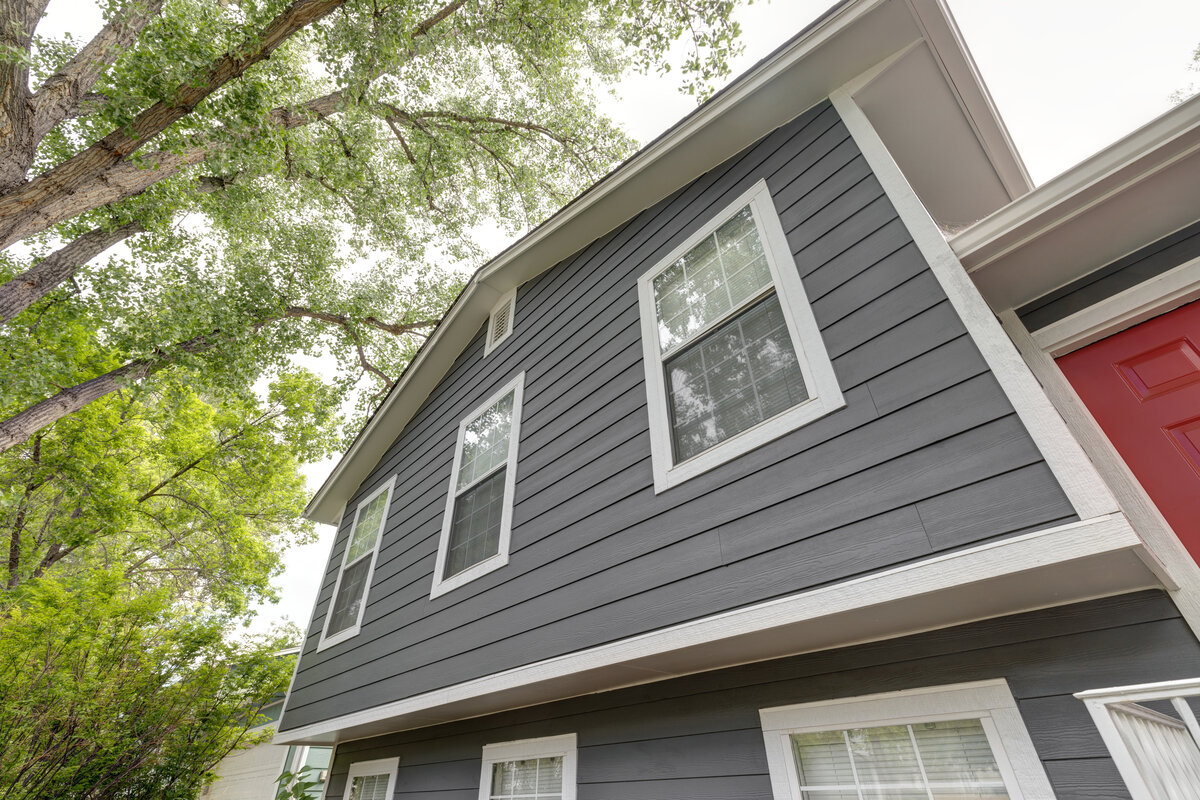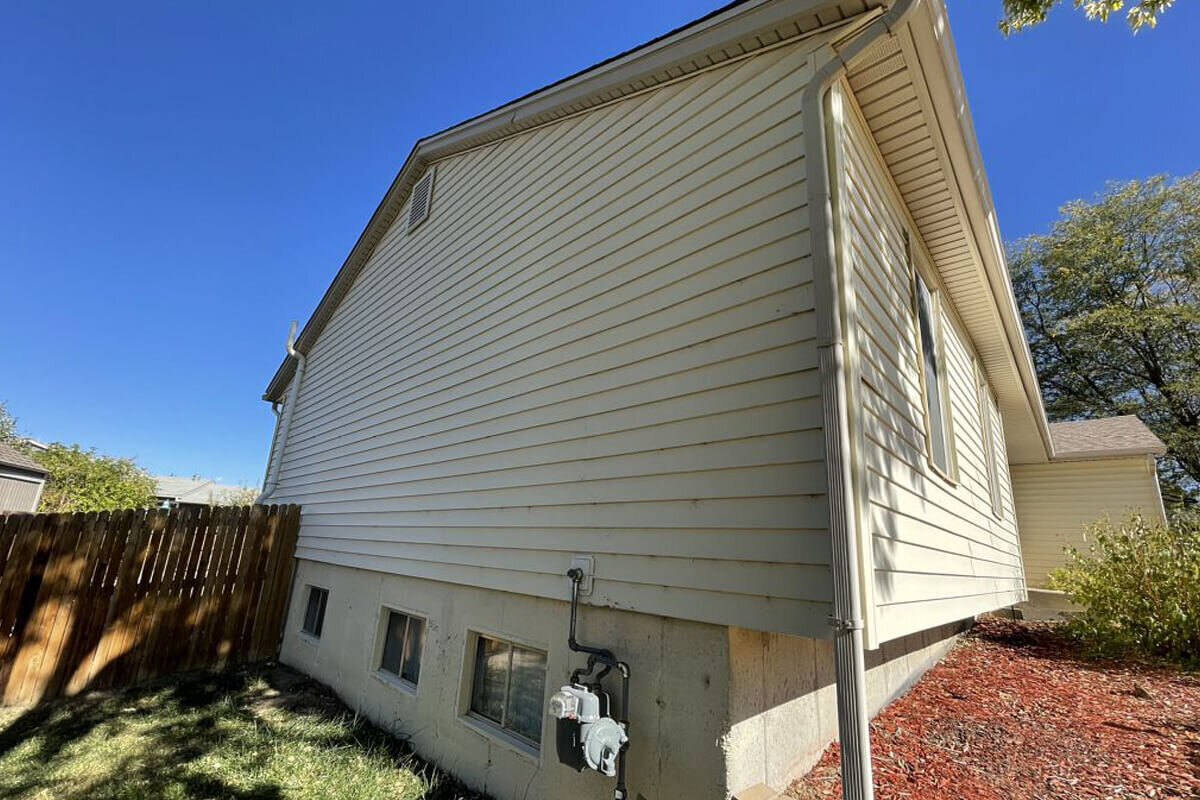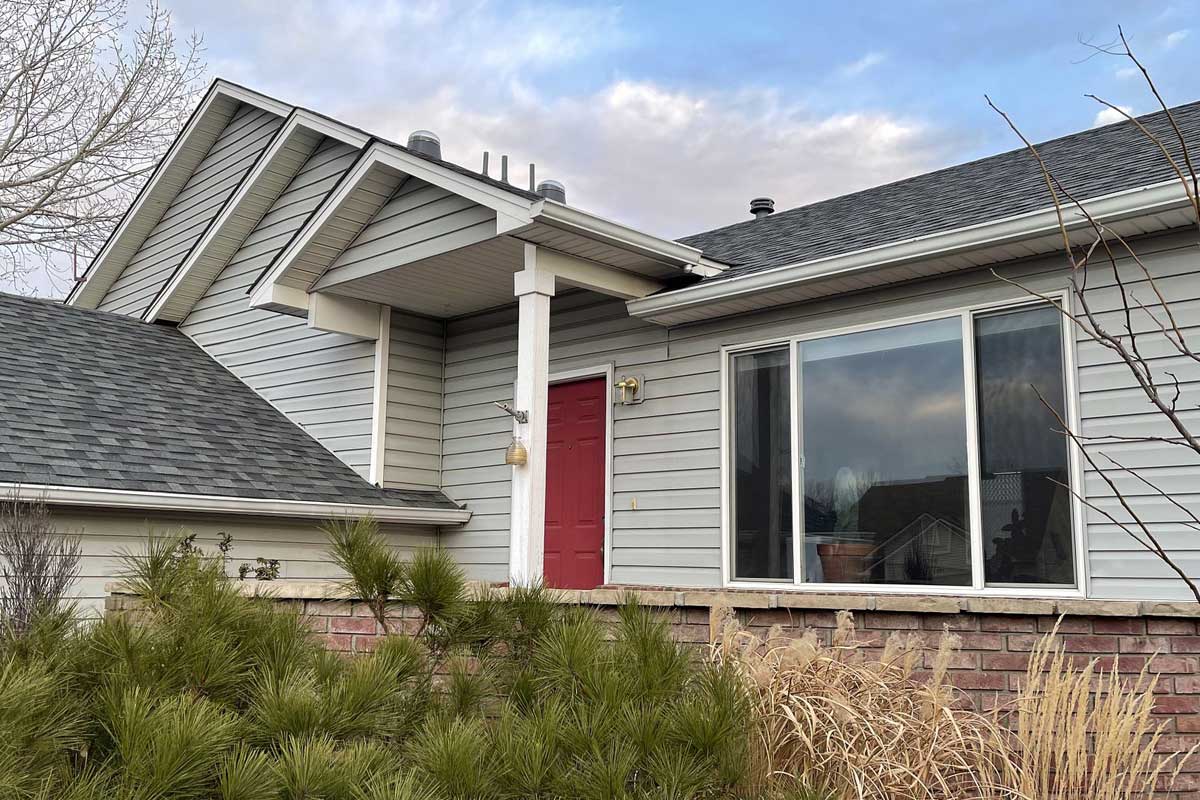
When fiber cement siding cracking appears, it often points to issues with installation, material performance, or movement within the home. Even small cracks can allow moisture behind the siding and lead to more extensive damage over time.
The first step is identifying the cause. A proper evaluation helps determine whether the damage can be repaired or if replacement is needed to restore long-term protection.
What Cracked Fiber Cement Siding Really Means for Your Home
Fiber cement siding is built for durability, but it is still a rigid material. When stress builds up, it releases through cracks, chips, or board movement.
These cracks can lead to bigger issues if ignored:
- Moisture intrusion behind the siding
- Reduced energy efficiency
- Premature siding failure
- Structural exposure over time
Key Takeaway: Cracks are not just surface-level. They often point to installation issues, movement, or material failure.
Top 5 Reasons Behind Fiber Cement Siding Cracking
1. Low-Quality or Aging Fiber Cement Has Become Brittle
Not all fiber cement is manufactured the same. Lower-quality boards tend to dry out faster and lose flexibility over time.
As the material ages, it becomes more prone to:
- Cracking under pressure
- Chipping along edges
- Breaking during minor impact
Higher-quality products are engineered to handle movement and weather cycles better.
2. Improper Installation is Putting Stress on the Boards
Installation errors are one of the most common causes of failure. Even premium siding will crack if installed incorrectly.
Common issues include:
- Boards installed too tightly with no spacing
- Nails placed too close to the edges
- Incorrect fastening methods
- Missing flashing or moisture barriers
When boards cannot expand and contract, pressure builds, and cracks form.
3. Foundation Movement and Structural Shifting
Homes naturally settle over time. Even minor movement can create stress on rigid siding materials.
Watch for signs such as:
- Doors and windows not closing properly
- Interior drywall cracks
- Visible siding misalignment
These shifts force boards against each other, leading to cracking and buckling.
4. Moisture Intrusion Behind the Siding
Water exposure weakens siding over time. When moisture gets behind the boards, it affects both the material and the structure underneath.
Poor drainage systems, missing wrap, or improper flashing often lead to:
- Hidden water damage
- Expansion and contraction issues
- Long-term structural concerns
5. Impact Damage from Weather or External Forces
External force is a direct cause of cracks, especially when siding has already become brittle.
Typical sources include:
- Hail storms
- Falling branches
- Landscaping contact
- Accidental impact
Pro Tip: If cracks appear after a storm, document the damage early. This may help with insurance claims.
Signs Your Cracked Siding is a Bigger Problem
Not all cracks require full replacement, but some signs should not be ignored.
Look for:
- Multiple cracked or loose boards
- Warping or visible buckling
- Pieces breaking off
- Interior moisture or drafts
These indicators often mean the issue goes beyond surface damage.
Can You Repair Cracked Fiber Cement Siding?
When a Repair Might Work
Small, isolated cracks can sometimes be managed in the short term.
- Exterior-grade caulk can seal minor gaps
- Small section replacements may be possible
- Cosmetic fixes can extend lifespan temporarily
When Replacement Is the Better Option
Widespread damage usually requires a more permanent solution.
- Repeated cracking across multiple areas
- Installation-related issues
- Moisture damage behind the siding
At this stage, repairs become temporary and cost-inefficient.
Need expert help with siding repair or replacement? Contact Bellwether for a free consultation and honest assessment.
The Right Way to Fix Cracked Fiber Cement Siding
Step 1. Professional Inspection
We start by identifying the root cause. Fixing the surface without addressing the source leads to recurring issues.
Step 2. Targeted Repairs or Board Replacement
If the damage is isolated, we replace affected boards and correct installation errors.
Step 3. Full Siding Replacement (If Needed)
When damage is widespread, replacement becomes the most reliable option. This ensures proper installation and long-term performance.
How to Prevent Fiber Cement Siding Cracking Again
Prevention starts with proper materials and installation.
- Choose high-quality fiber cement products
- Work with experienced siding professionals
- Ensure correct spacing and fastening
- Install proper moisture barriers and flashing
- Schedule periodic inspections
Key Takeaway: Most cracking issues are preventable with the right system and installation approach.
Why Material and Installation Quality Matter More Than You Think
Siding performance depends on more than just the board itself. It is a complete system that includes installation, moisture protection, and structural alignment.
Cutting corners on materials or labor often leads to:
- Early cracking
- Moisture problems
- Higher long-term costs
Investing in quality upfront protects your home and reduces future repairs.
Get a Professional Assessment Before the Damage Spreads
Cracks do not fix themselves. The longer they are ignored, the more expensive the solution becomes.
We recommend a professional inspection to:
- Identify the exact cause
- Determine repair vs replacement
- Prevent further damage
Our team at Bellwether focuses on long-term solutions, not quick fixes. If you are noticing signs of damage, now is the time to act. Contact us today to schedule your consultation and get clear answers about your fiber cement siding cracking.