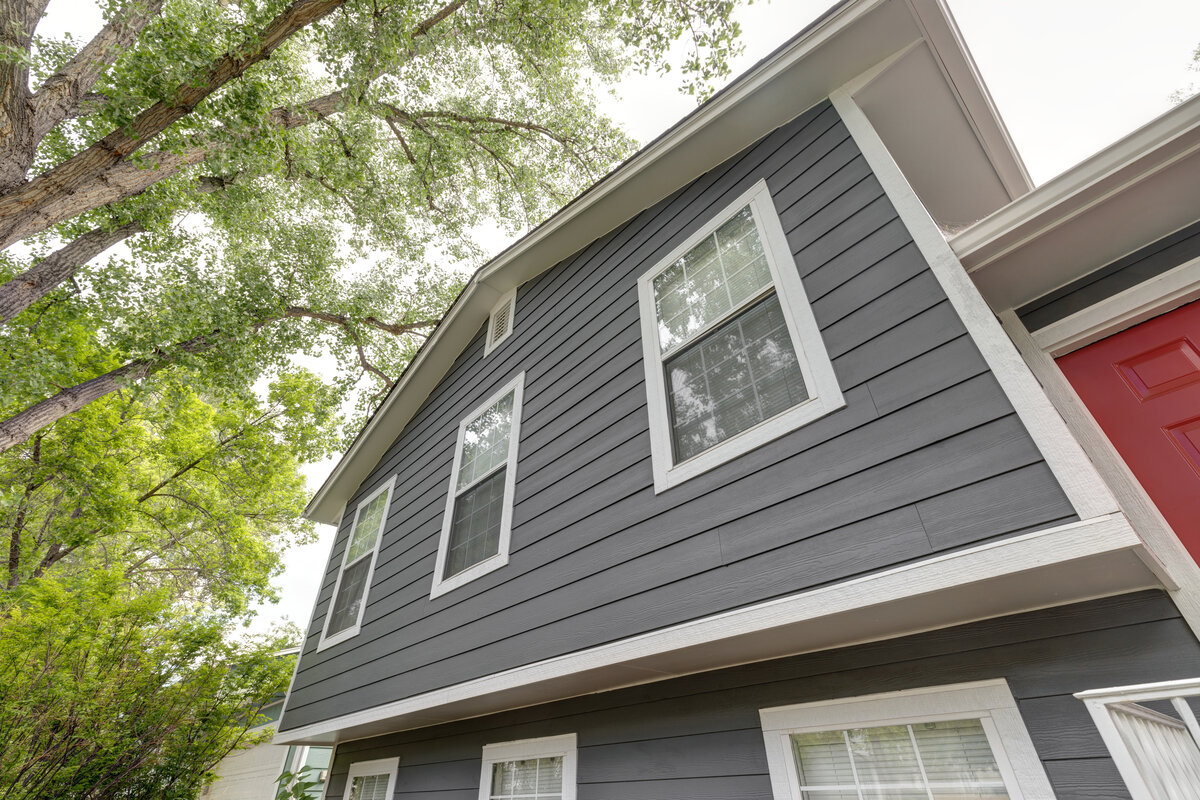
Many property owners struggle to narrow down siding options when planning an exterior upgrade. The challenge is not just picking a color. It is understanding how profiles, trims, and layouts affect long-term performance. This guide breaks down James Hardie siding styles so you can make a clear, informed decision before starting your project.
Complete Breakdown of James Hardie Siding Styles
HardiePlankⓇ Lap Siding (Horizontal Siding)
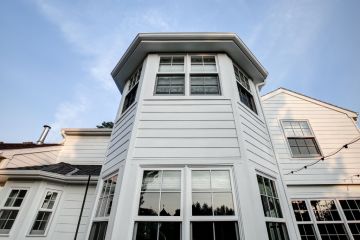
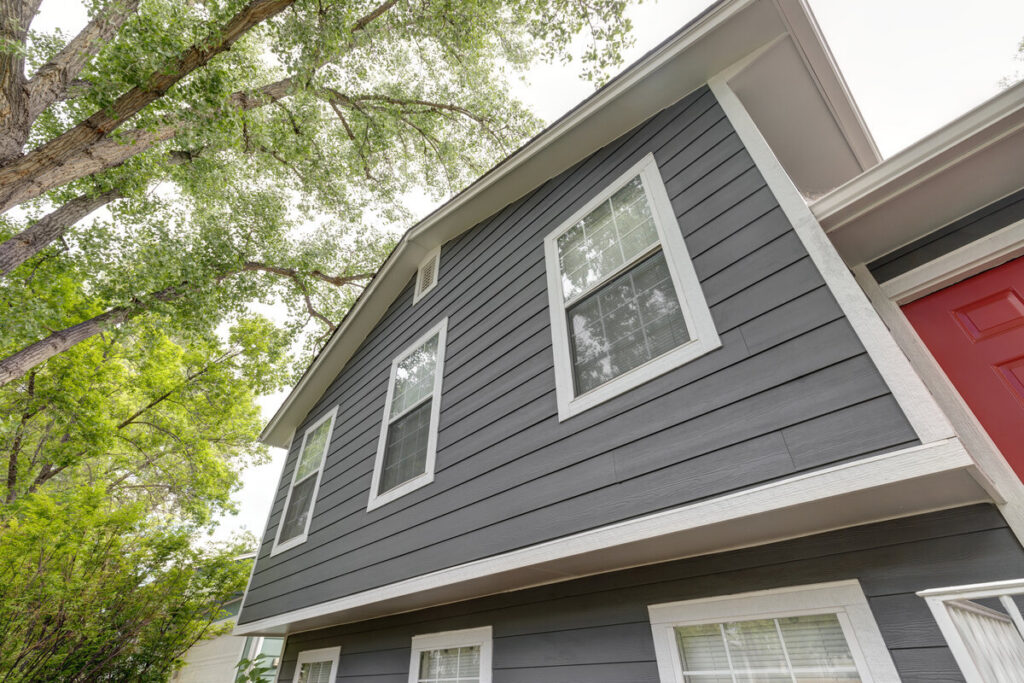
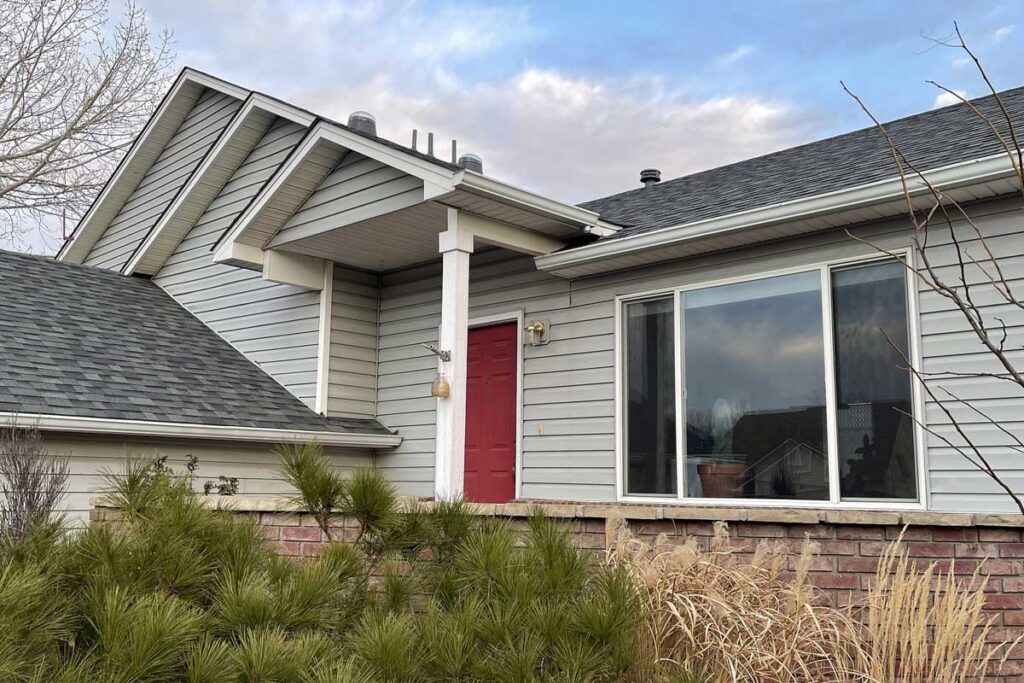
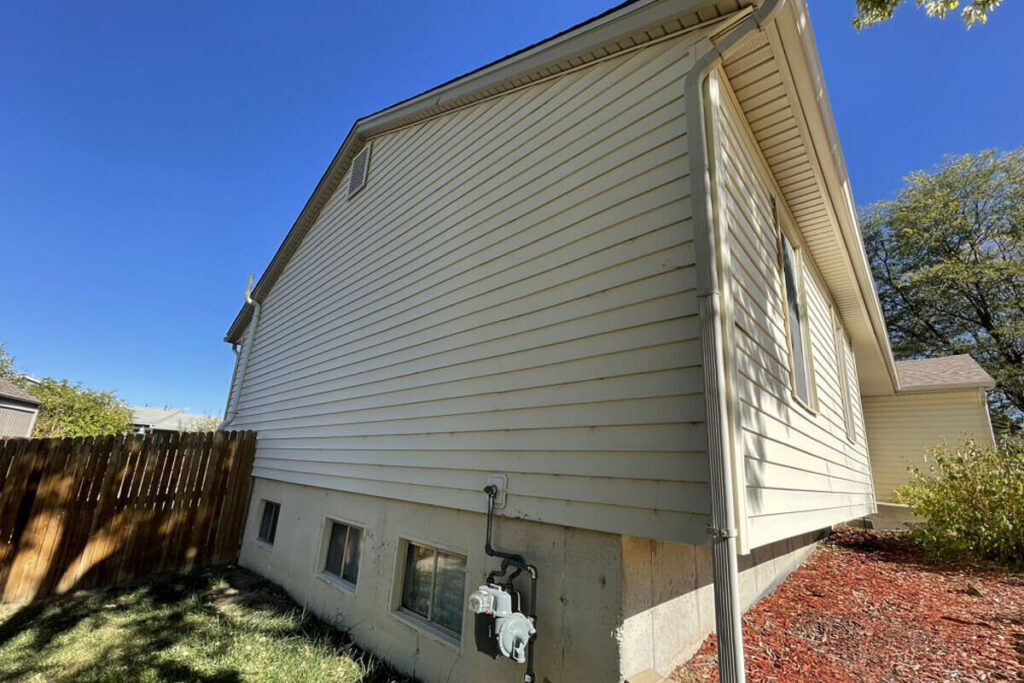
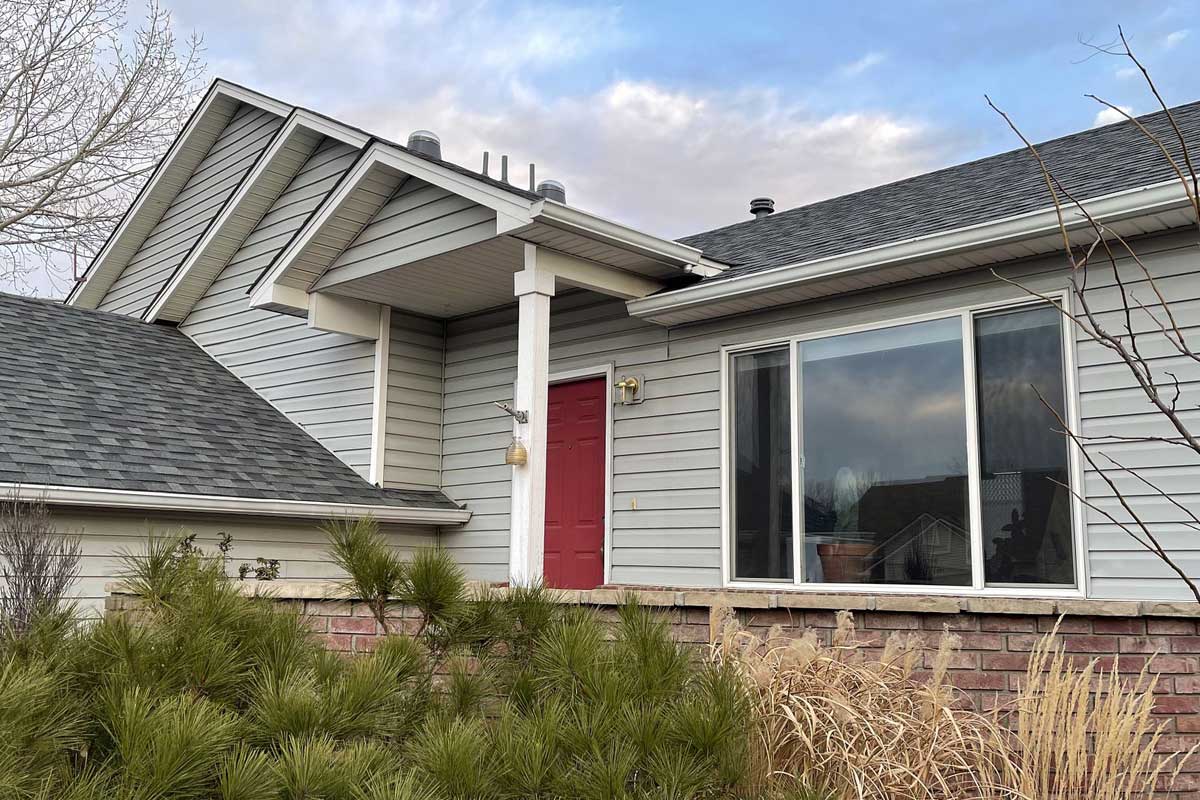
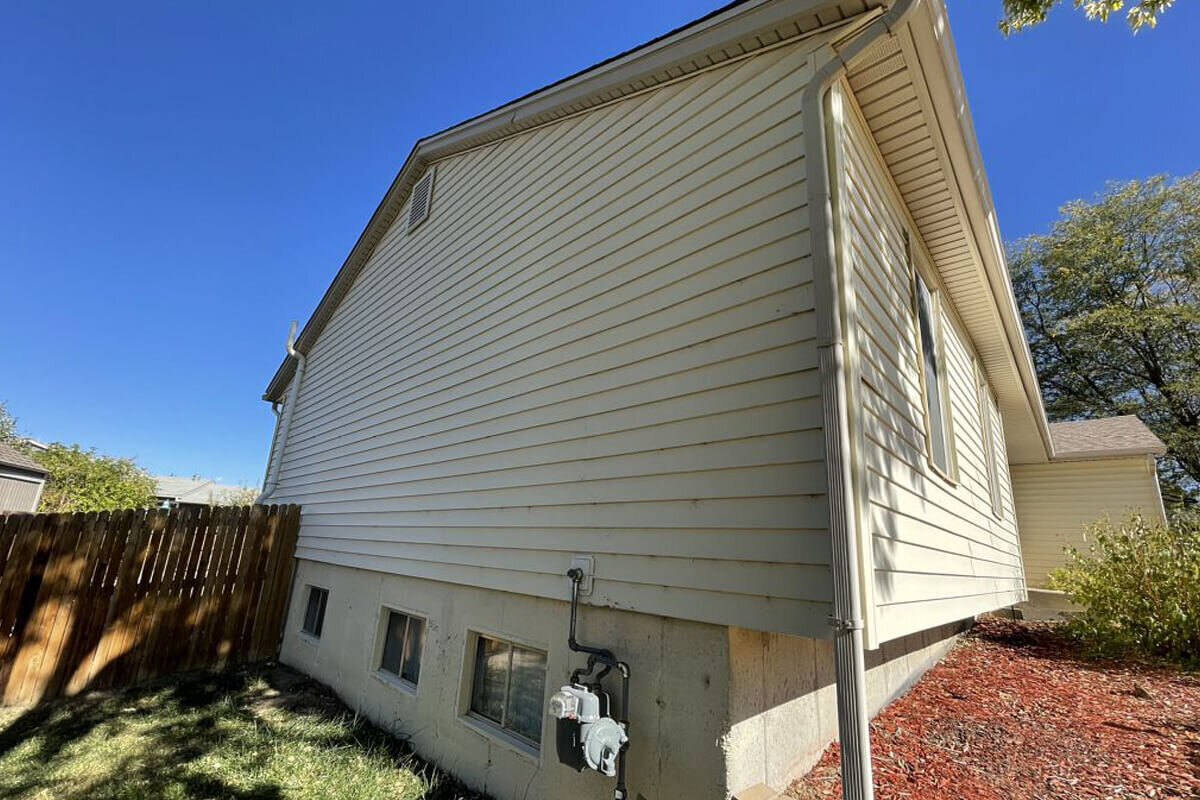
Lap siding remains the most common choice because it fits a wide range of home styles and holds up well over time. Boards are installed horizontally with a slight overlap to shed water.
Common profile options include:
- Traditional Lap. Clean lines that work on most homes
- Beaded Lap. Adds a defined shadow line for more detail
- Custom Colonial (Dutch Lap). Deeper profile with a more historic look
Finish options typically include Cedarmill for a wood grain appearance or smooth for a sharper, modern finish.
HardiePanelⓇ Vertical Siding (Board and Batten)
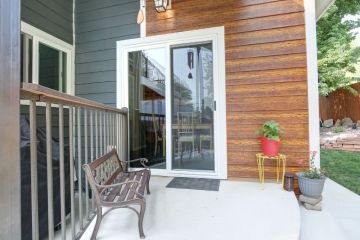
Vertical siding creates a taller visual effect and is often used in modern or farmhouse designs. It is also paired with batten boards for a board and batten layout.
- Stucco Panel. Subtle texture that mimics traditional stucco
- Sierra 8 Panel. Clean vertical grooves for added dimension
HardieShingleⓇ Siding (Shake and Accent Styles)
Shingle siding is commonly used on gables or accent walls. It adds texture without overwhelming the design.
- Straight Edge. Uniform lines for a clean look
- Staggered Edge. Irregular pattern for a more natural feel
- Scalloped. Decorative option often used on coastal-style homes
Pro Tip: Mixing siding styles can improve curb appeal. Use lap siding for the main walls and shingles for accents to create contrast without overcomplicating the design.
Premium and Modern Hardie Options
ArtisanⓇ Collection
This collection uses thicker boards and deeper shadow lines. It is designed for higher-end projects where detail and depth matter.
Popular profiles include:
- V-Groove
- Shiplap
- Square Channel
- Bevel Channel
These profiles create stronger lines and a more defined exterior.
RevealⓇ Panel System
Reveal panels are used for modern homes. Instead of long boards, they use large panels with trim separating each section.
- Recess Trim. Clean, minimal joints
- Surround Trim. More defined, industrial look
- Fastener options include concealed or exposed for different finishes
Trim and Soffit: The Details That Matter
HardieTrimⓇ Boards
Trim defines edges, windows, and corners. It also helps manage water around transitions.
Common options include:
- 4/4 boards for standard applications
- 5/4 boards for thicker, more defined edges
- Batten boards for vertical siding systems
HardieSoffitⓇ Panels
Soffit protects the underside of your roofline and supports ventilation.
- Non-vented for a clean appearance
- Vented for airflow
- VentedPlus for increased ventilation
- Beaded porch panels for finished ceilings
Key Takeaway: Trim and soffit are not optional details. They directly impact moisture control, ventilation, and the final appearance of your siding system.
How Much Do Different James Hardie Styles Cost?
Costs vary based on product type, home size, and installation complexity.
Factors that affect pricing:
- Labor and installation detail
- Trim and accessory upgrades
- Existing siding removal
- Home height and layout
Need expert help with your siding project? Contact Bellwether for a free consultation.
What is the Most Expensive James Hardie Option?
The Artisan collection is typically the highest cost. Thicker boards and more detailed profiles increase both material and labor costs.
This option is often chosen when:
- You want deeper shadow lines
- The design calls for premium finishes
- Long-term visual impact is a priority
Choosing the Right James Hardie Style for Your Home
Match Style to Architecture
- Traditional homes work well with lap siding
- Farmhouse designs pair with board and batten
- Modern homes benefit from panel systems
Combine Styles for Better Design
- Lap siding with shingle accents
- Vertical panels with batten trim
- Mixed textures for depth
Consider Performance
Focus on durability, not just appearance. Climate, moisture exposure, and sun all affect how siding performs.
Pro Tip: Avoid mixing too many profiles. Limit your design to two or three styles to keep the exterior clean and consistent.
Why Installation Matters More Than Style
Even the best materials can fail if installed incorrectly. Proper flashing, spacing, and fastening are critical to long-term performance.
Working with an experienced contractor ensures:
- Correct installation methods
- Manufacturer compliance
- Better protection against moisture issues
Work With Bellwether Homes for Your Siding Project
Choosing siding involves more than picking a product. It requires planning, design, and proper installation. Our team helps you compare options, narrow down selections, and install a system built to last.
We guide you through layout, trim details, and product selection so your exterior looks right and performs the way it should.
Get Help Choosing the Right Siding Style
If you are comparing options and want a clear recommendation, we can help. Schedule a consultation to review your home, discuss design ideas, and get a detailed quote.
The right system starts with understanding your options. This guide gives you a foundation to choose the best James Hardie siding styles for your project.