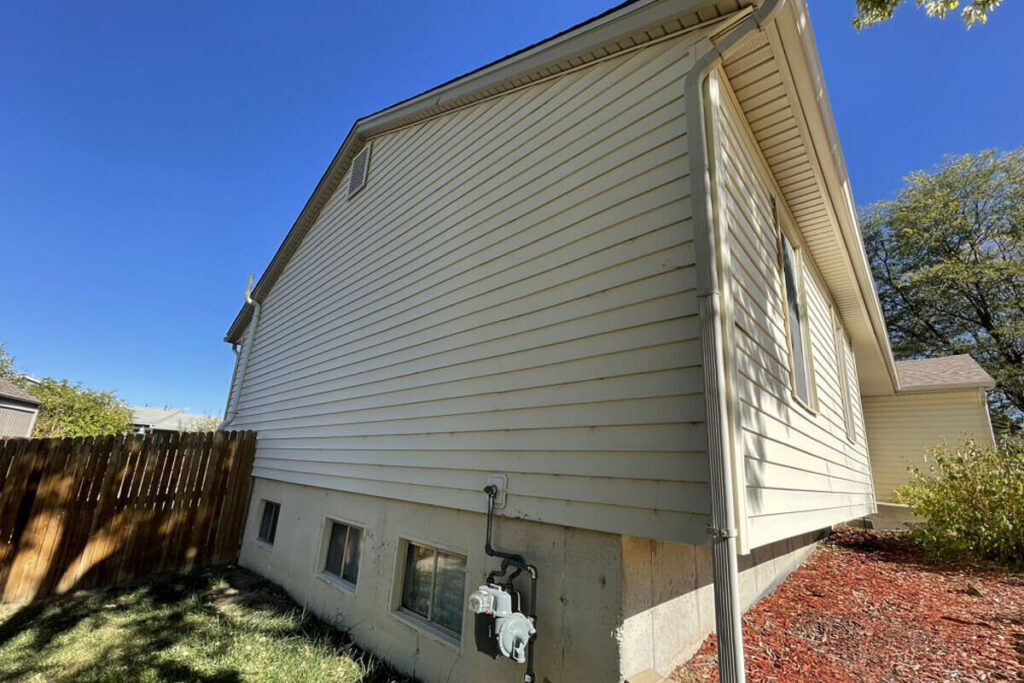
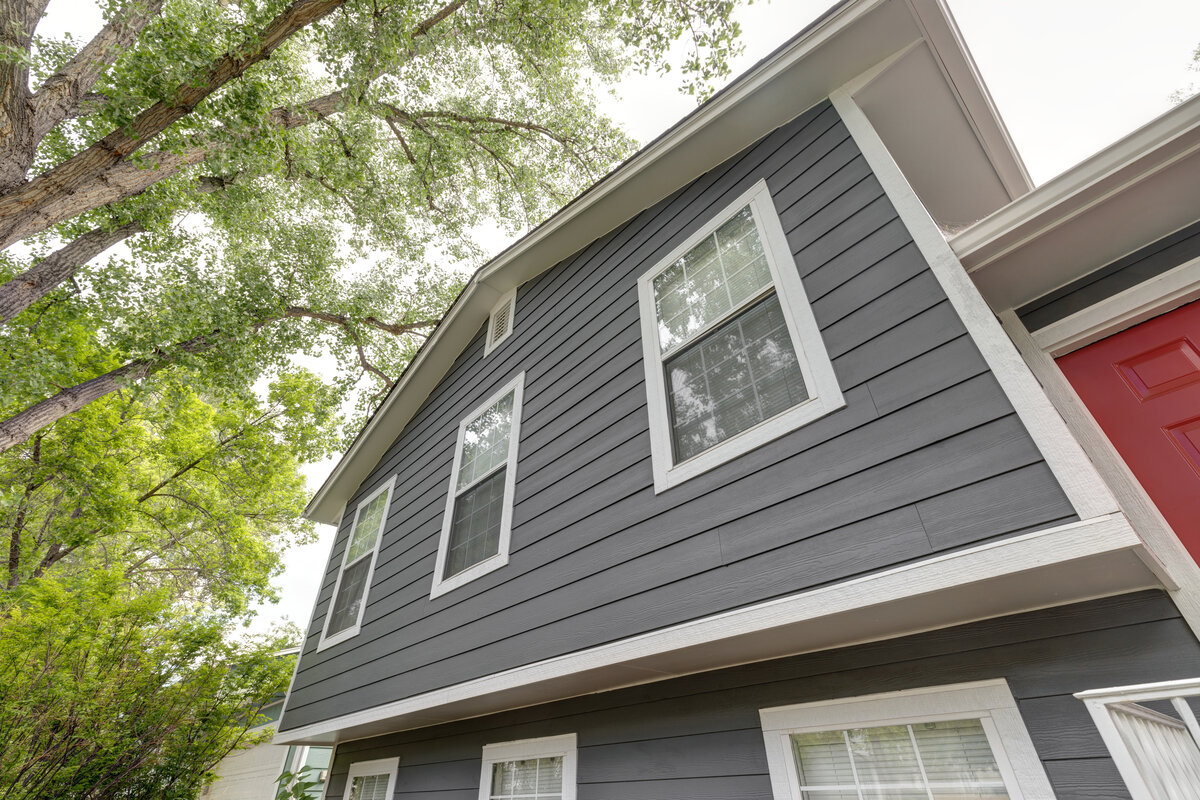
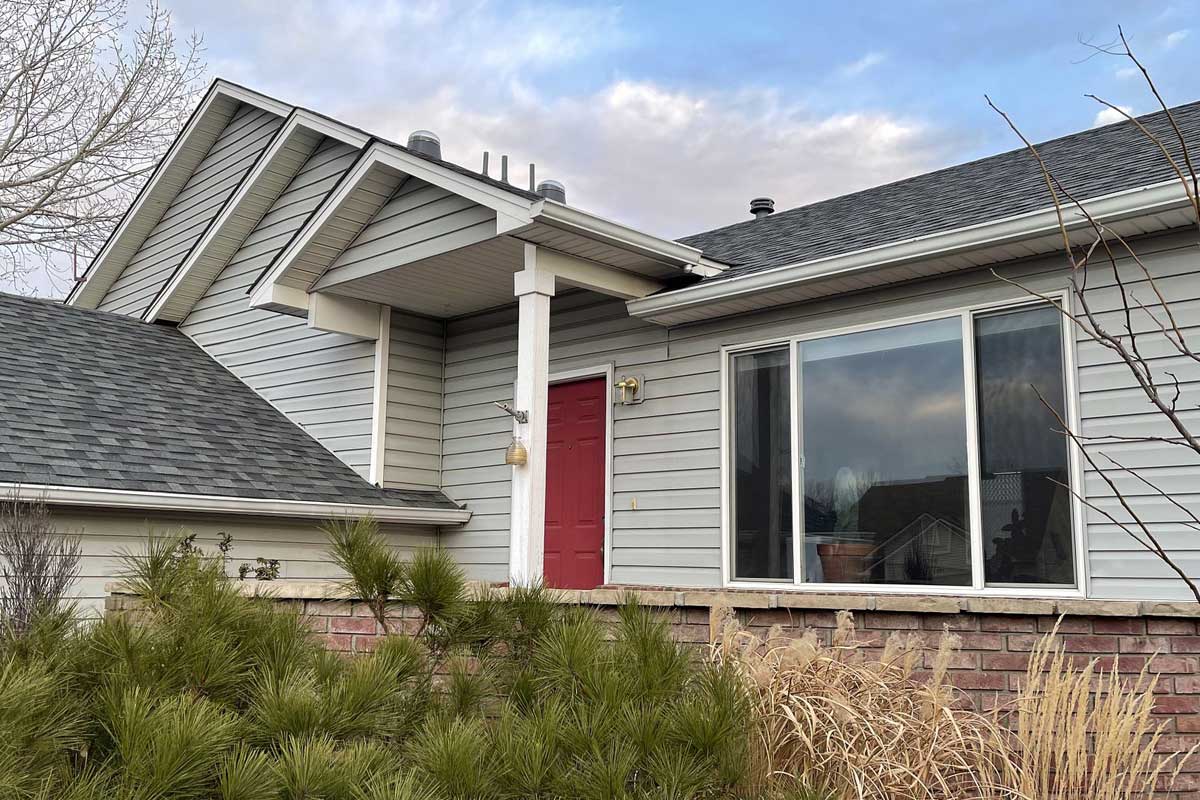
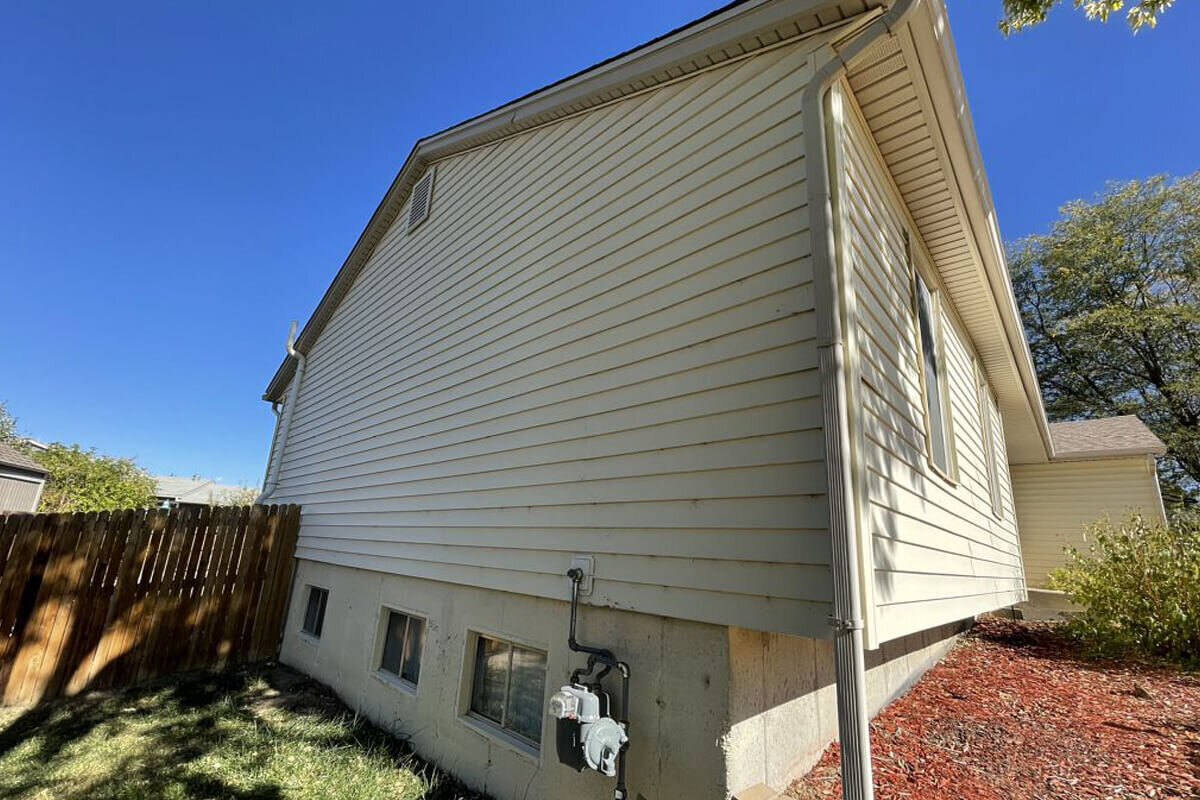
Siding protects a home from moisture, wind, and temperature extremes. Many properties eventually reach a point where owners need to determine how often siding should be replaced, especially in Colorado, where hail, intense sun, and freeze-thaw cycles place constant stress on exterior materials.
The Typical Lifespan of House Siding
Siding longevity varies widely depending on the material used and how well it was installed and maintained. Colorado’s freeze-thaw cycles, hailstorms, and intense UV exposure can shorten the lifespan of some siding materials.
Below are general lifespan expectations for common siding types.
Average Siding Lifespan by Material
- Vinyl siding: 20 to 40 years
- Fiber cement siding: 50 years or more
- Aluminum siding: 20 to 40 years
- Wood siding: 20 to 100 years, depending on maintenance
- Steel siding: 40 to 50 years or longer
Lower-cost siding materials often degrade faster in harsh climates. Fiber cement siding tends to perform better because it resists moisture, pests, and fire.
Why Fiber Cement Siding Often Lasts Longer
Fiber cement siding is engineered for durability and stability. Many homeowners choose it for long-term performance.
Key advantages include:
- Resistance to rot and insects
- Non-combustible material with strong fire resistance
- Stability in extreme temperature swings
- Long manufacturer warranties when properly installed
Because of these benefits, many Colorado homeowners upgrade to fiber cement siding when replacing aging exterior materials.
Key Takeaway: Homes in Colorado face intense sun, hail, and freeze-thaw cycles. Choosing durable siding materials can significantly extend the lifespan of your home’s exterior.
7 Signs Your Siding Needs to Be Replaced
Even durable siding eventually reaches the end of its useful life. Our team often identifies several warning signs during exterior inspections.
Cracked or Broken Siding Panels
Cracks and holes allow water to penetrate behind the siding. Over time, this moisture can damage the sheathing and framing.
Warping, Buckling, or Loose Boards
Warped siding often indicates trapped moisture or improper fastening. Panels that pull away from the house leave gaps where water and pests can enter.
Rot, Mold, or Soft Areas
Wood siding is especially vulnerable to rot. If siding feels soft or spongy, structural deterioration may already be underway.
Paint That Peels or Fades Quickly
Repeated paint failure can signal underlying siding problems. Moisture trapped behind siding often causes paint to bubble or peel.
Higher Energy Bills
Damaged siding reduces insulation performance. Air leaks and moisture infiltration can increase heating and cooling costs.
Frequent Repairs
If repairs are needed every few years, replacement may be the more cost-effective option.
Visible Storm Damage
Colorado hailstorms frequently damage siding. Impact marks, dents, or broken panels often require replacement to maintain protection.
Pro Tip: Inspect your siding at least once each year. Look for cracks, gaps, or loose boards after major storms.
Need expert help with siding replacement? Contact Bellwether Homes for a free consultation and professional siding inspection.
Factors That Affect How Long Siding Lasts
Several factors determine how long siding performs before replacement becomes necessary.
Climate and Weather Exposure
Colorado’s environment is especially demanding on exterior materials.
Key stress factors include:
- Intense UV exposure at higher elevations
- Hail and wind damage
- Freeze-thaw cycles
- Heavy snow accumulation
These conditions can shorten the lifespan of lower-quality siding materials.
Installation Quality
Poor installation is one of the most common causes of early siding failure. Improper fastening, missing flashing, or inadequate moisture barriers allow water intrusion behind the siding.
Professional installation helps ensure siding performs as intended for decades.
Maintenance and Upkeep
Routine maintenance can extend siding’s lifespan. Homeowners should:
- Clean siding periodically
- Inspect caulking and seams
- Repair minor damage early
These simple steps help prevent larger problems from developing.
How Often Should Siding Be Replaced in Colorado?
Material Lifespan and Local Conditions
The question of how often siding should be replaced depends heavily on siding type and climate exposure. In Colorado, most siding materials require replacement sooner than in milder climates.
Typical timelines include:
- Vinyl siding replacement every 20 to 40 years
- Wood siding replacement, depending on maintenance and weather damage
- Fiber cement siding lasts 50 years or more with proper installation
How Often Should Siding Be Replaced for Fiber Cement Homes
Fiber cement siding is designed for long-term durability. When installed correctly and maintained properly, it can last decades without significant deterioration.
To maximize lifespan, homeowners should:
- Inspect caulking and joints every few years
- Wash siding periodically to remove dirt and debris
- Repaint fiber cement siding when recommended by the manufacturer
With proper care, fiber cement siding can protect a home for half a century or longer.
Key Takeaway: Many homeowners replace aging siding with fiber cement because it offers exceptional durability and strong protection against Colorado weather.
Final Thoughts: Planning for Siding Replacement
Siding replacement is an important investment that protects your home from moisture, weather damage, and energy loss. Knowing when siding begins to fail allows homeowners to address problems early and avoid larger structural repairs.
Our team at Bellwether Homes helps homeowners evaluate siding condition, recommend durable materials, and install high-quality fiber cement siding designed for Colorado’s climate. If you suspect your siding may be nearing the end of its lifespan, schedule a professional inspection and consultation today.