Many projects start with the question of how Hardie Board handles moisture and if it is waterproof in real use. Clear information helps set expectations before selecting a siding system for Colorado conditions.
We work with fiber cement across the Front Range and see how it performs through storms, snow, and temperature swings. This article explains how Hardie Board manages water, what the wall system needs, and which installation steps support long-term reliability.
What Hardie Board Is and How It Handles Moisture
Hardie Board Composition and Moisture Behavior
Hardie Board is made from cement, sand, and cellulose fibers. That mix creates a dense board that does not rot like wood and does not warp the way thin plastic materials can. It handles surface moisture by absorbing a small amount and releasing it as the weather dries.
Why Fiber Cement Is More Stable Than Wood or Vinyl
Wood can swell and decay when it stays wet. Vinyl can distort during temperature swings. Fiber cement remains stable and holds paint well. For Colorado climates, that stability is a major advantage because the siding stays flat and secure even after repeated weather cycles.
Is Hardie Board Waterproof or Water-Resistant?
The Difference Between Waterproof and Water-Resistant Siding
Waterproof means a material that blocks water entirely. Water-resistant means it sheds water correctly when installed with the proper layers behind it. Exterior siding is part of a wall system, not the only barrier.
Where Hardie Board Falls on the Moisture Scale
Homeowners often ask if Hardie Board is waterproof in the strict sense. Hardie Board is highly water-resistant, and it works with housewrap, flashing, and caulking to protect the wall. When those layers are installed correctly, the full system manages bulk water safely.
How Hardie Board Performs in Wet Climates
How Hardie Handles Rain, Snow, and Freeze–Thaw Cycles
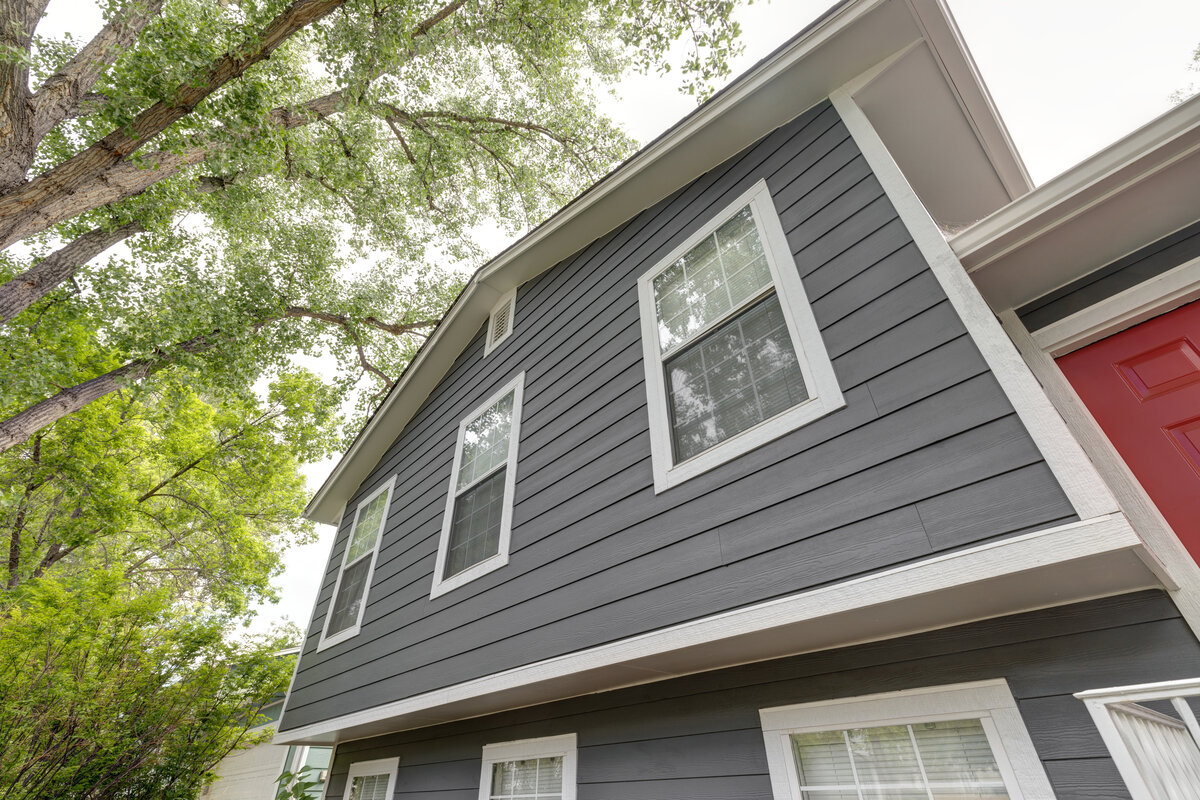
Hardie Board performs well across Colorado. We see consistent results on walls exposed to snow, hail, and wind-driven rain. When clearances and flashing details are correct, the boards stay flat and maintain their finish.
How Hardie Compares to LP SmartSide and Wood Siding
LP and wood products move more with moisture. That movement can cause early paint wear or cracking. Hardie Board keeps a tighter profile and offers predictable paint cycles, especially on high-exposure walls.
Key Takeaway: Fiber cement does not solve every moisture issue by itself. Correct detailing at rooflines, decks, and foundation levels decides long-term performance.
Common Moisture Risks Homeowners Should Watch For
Installation Mistakes That Lead to Moisture Problems
Issues we see most often include:
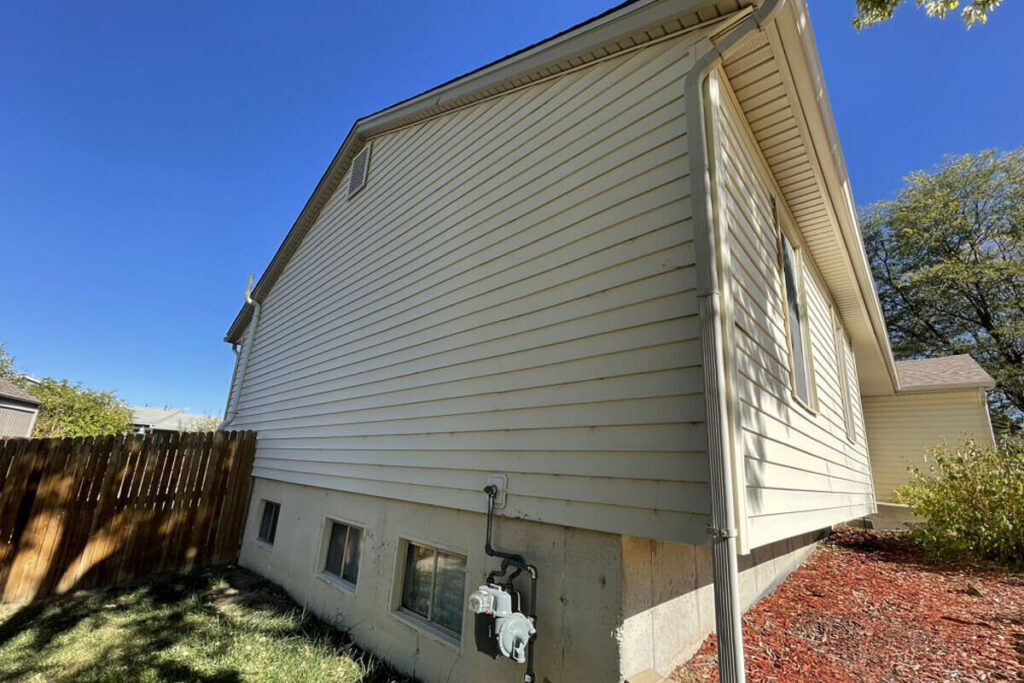
- Boards installed too close to grade
- No gap above roofing or flashing
- Unsealed joints and trim edges
These allow water to sit against the material for long periods.
Home Exterior Issues That Cause Water Intrusion
We also find problems that are unrelated to the siding itself. Common examples include:
- Gutters overflowing onto the walls
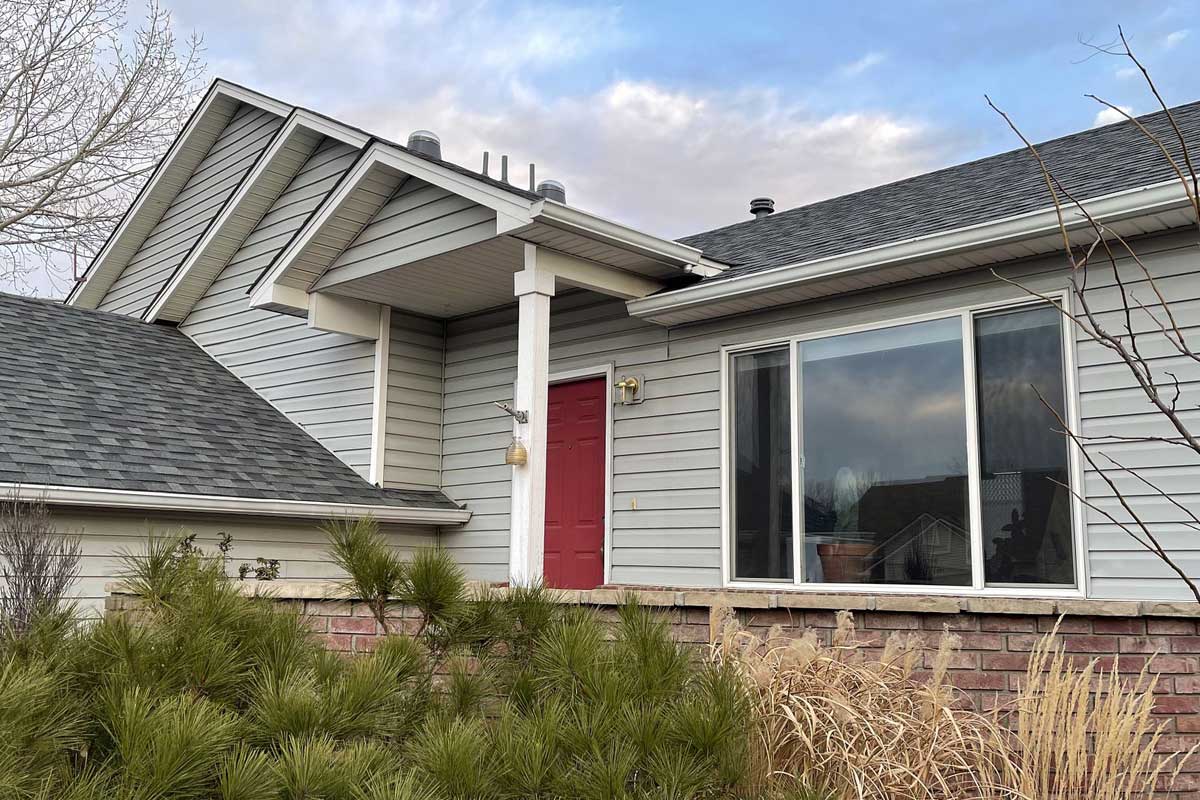
- Missing or damaged kickout flashing
- Downspouts dumping water at the foundation
Fixing drainage can protect a siding system as effectively as any coating.
Do You Need to Waterproof Hardie Board?
What the Manufacturer Requires for Moisture Protection
James Hardie requires a code-approved weather-resistant barrier, proper flashing, and correct clearances. When we follow those steps, the siding sheds water as designed. Under normal above-grade conditions, the board does not require a separate waterproofing treatment.
When Contractors Recommend Extra Waterproofing
We add extra protection in zones with repeated splashback, complex roof transitions, or strong wind-driven rain. In those locations, we may use liquid flashing or enhanced WRB products to give the wall added defense.
Benefits of Adding Extra Waterproofing
Extending Siding Lifespan and Reducing Paint Failure
Extra protection in high-exposure areas helps maintain paint cycles and protects edges from early wear. It also reduces the risk of peeling or flaking in spots where water collects.
Protecting Sheathing and Improving Long-Term ROI
Added waterproofing protects sheathing and framing, which improves the long-term integrity of the wall. In many homes, a small upgrade during installation prevents expensive repairs later.
Pro Tip: Ask for a walkthrough of all flashing, clearances, and sealant points before painting. This ensures details match Hardie standards.
Need expert help with fiber cement siding? Contact Bellwether Homes for a free consultation.
How To Waterproof Hardie Board
Seal Gaps, Joints, and Penetrations
We start by sealing all joints, trim intersections, and penetrations using approved materials. Every vent, cable line, or fixture is a potential leak point if not sealed properly.
Apply Liquid Membrane or WRB in High-Exposure Areas
At roof-to-wall intersections, deck ledgers, and complex corners, we often apply liquid flashing or upgraded WRB. These create a continuous barrier behind the siding that ties into the trim and flashings.
Repeat and Inspect to Confirm Full Coverage
Our team checks overlaps, clearances, and fasteners to confirm that all moisture paths flow away from the home. This inspection step is essential for long-term performance.
Maintaining Hardie Board’s Water Resistance
Annual Painting and Caulking Schedule
Paint is a key moisture management layer. Follow the manufacturer’s repaint cycles and inspect the caulk each year. Small touch-ups help prevent unnecessary water entry.
Seasonal Moisture and Storm Damage Checks
After hail, heavy snow, or high wind, we recommend checking for chips, cracks, or loose pieces. Early repairs protect the wall system from future damage.
FAQs About Hardie Board and Water Exposure
Does Hardie Board Absorb Water?
Hardie Board can take on slight surface moisture and release it as conditions dry. That behavior is normal. If you search is Hardie Board waterproof, remember that the wall system, not just the board, controls long-term protection.
Can Hardie Board Rot or Swell?
The material does not rot. Swelling typically points to installation errors or standing moisture. A professional review can determine what needs correction.
When homeowners ask if Hardie Board is waterproof, they want to know if their home will stay dry and stable across Colorado seasons. With the right installation team and proper detailing, Hardie Board is one of the most reliable siding choices available. For a moisture evaluation or a full siding upgrade, contact Bellwether Homes to schedule your consultation.