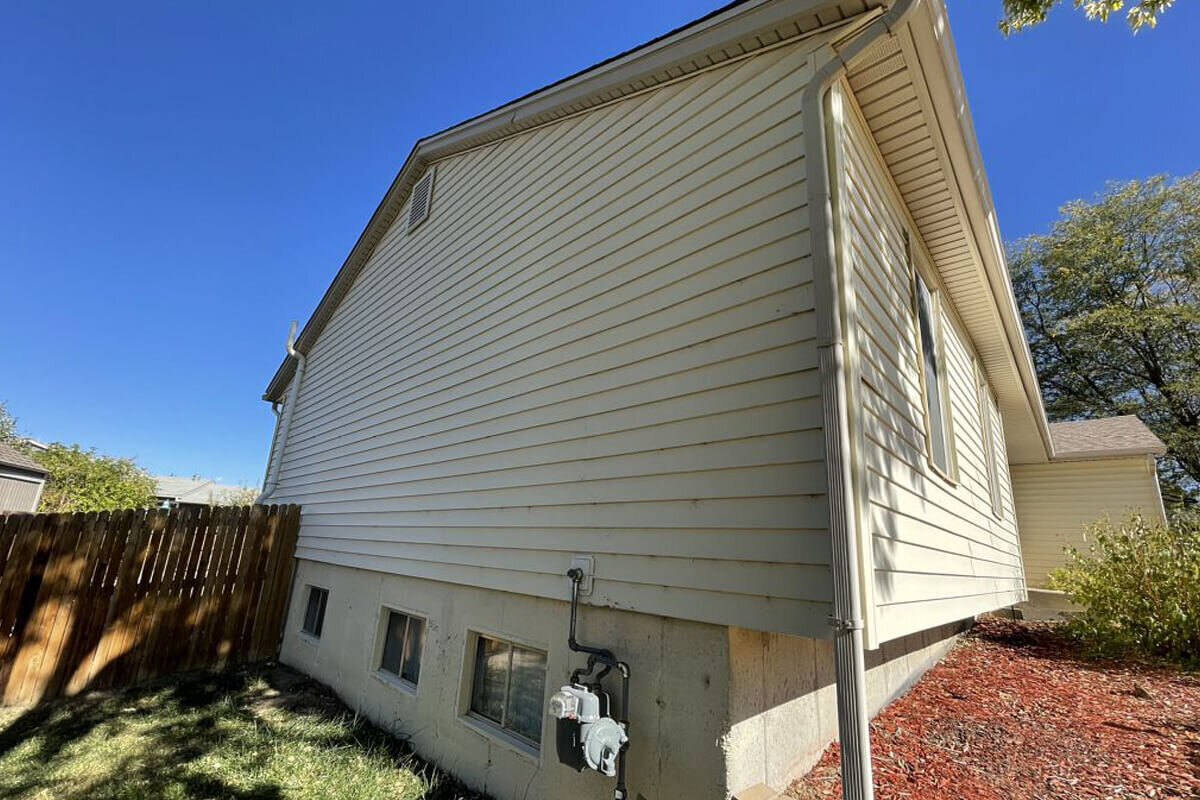
Exterior siding must withstand weather, moisture, and long-term exposure with minimal upkeep. Maintenance demands vary widely depending on material choice, installation quality, and environmental conditions. Choosing the right siding options can reduce repainting cycles, limit repairs, and improve long-term durability.
This guide compares common siding materials through a technical lens, focusing on maintenance requirements, service life, and installation factors that influence long-term performance.
Top Low-Maintenance Siding Options
Low-maintenance siding is defined by how often it requires cleaning, repair, repainting, or replacement. No siding is maintenance-free. Some materials simply reduce how frequently work is needed.
Key comparison criteria include:
- Cleaning frequency
- Repainting or resealing intervals
- Resistance to moisture, insects, and impact
- Structural stability over time
- Typical service life
These factors matter more than appearance alone when evaluating siding options.
1. Vinyl Siding
Maintenance Requirements
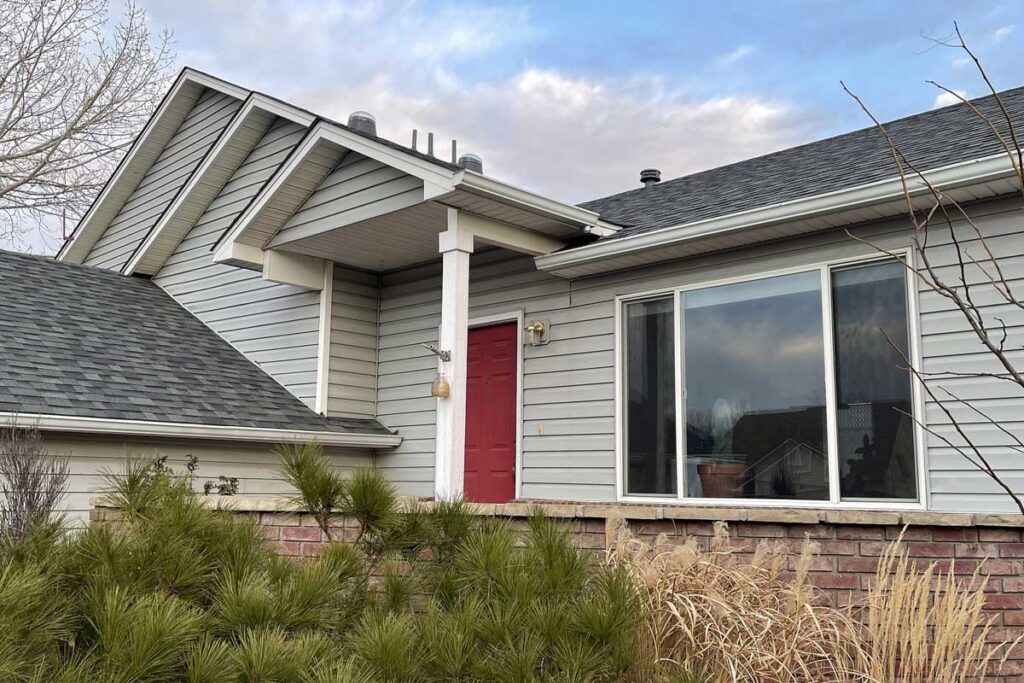
Vinyl siding does not require painting. Most manufacturers recommend cleaning once or twice per year using mild detergent and water. Vinyl resists moisture and insect damage under normal conditions.
Durability and Limitations
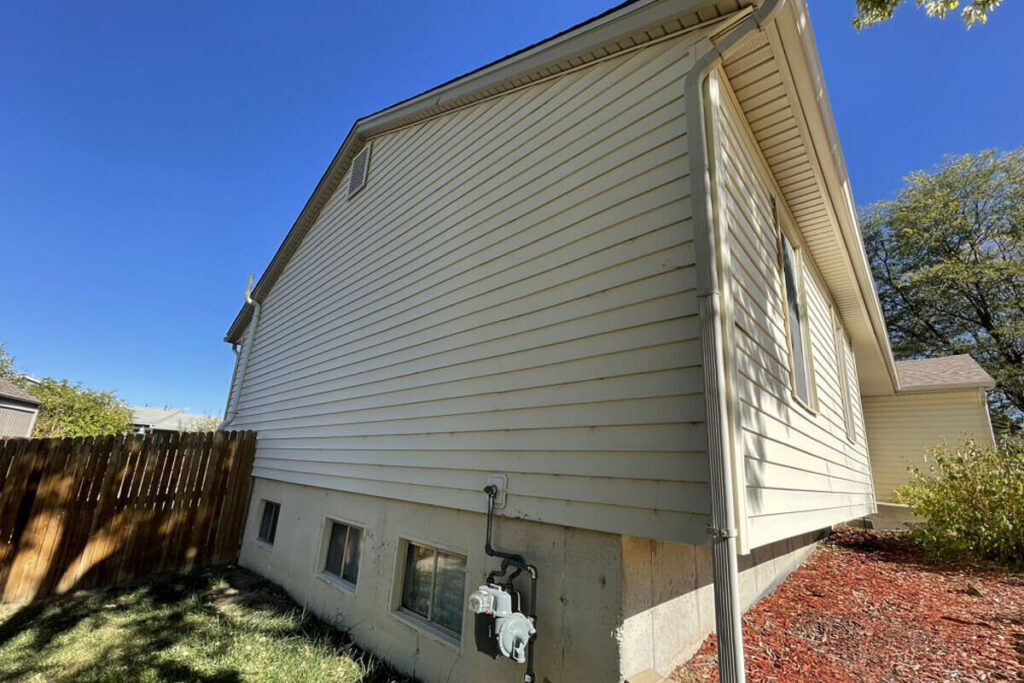
Vinyl is lightweight and can crack from impact. Color fading may occur over time, especially on south- and west-facing elevations. Repairs usually involve panel replacement rather than localized patching.
Best Use Case
Vinyl siding is commonly selected for budget-driven projects or homes where minimal upfront cost is a priority.
Key Takeaway: Vinyl reduces painting needs but offers lower impact resistance and a shorter lifespan than heavier materials.
2. Engineered Wood Siding
Construction and Treatment
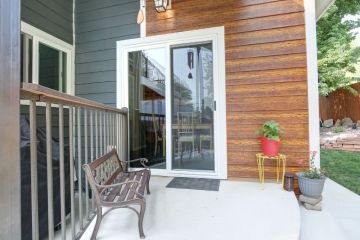
Engineered wood siding combines wood fibers with resins and protective treatments to improve moisture and pest resistance compared to natural wood.
Maintenance Schedule
Regular cleaning is recommended. Repainting and resealing are typically required every 5 to 10 years, depending on exposure and finish quality.
Performance Considerations
Engineered wood offers improved stability over traditional wood but remains more maintenance-dependent than fiber cement.
Key Takeaway: Engineered wood reduces some maintenance but still requires routine refinishing.
3. Stucco Siding
Material Characteristics
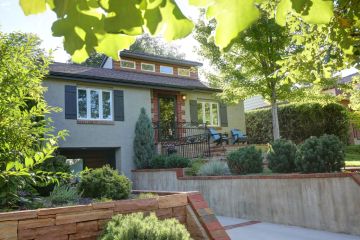
Stucco is a cement-based exterior finish applied in layers. It is fire-resistant and durable when properly maintained.
Maintenance Requirements
Stucco is porous and requires periodic sealing and repainting. Cracks must be addressed promptly to prevent moisture intrusion.
Appropriate Applications
Stucco is best suited for specific architectural styles and environments where proper moisture management is achievable.
4. Fiber Cement Siding (Bellwether Homes’ Recommended Option)
Material Composition and Performance
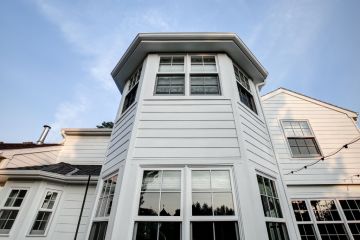
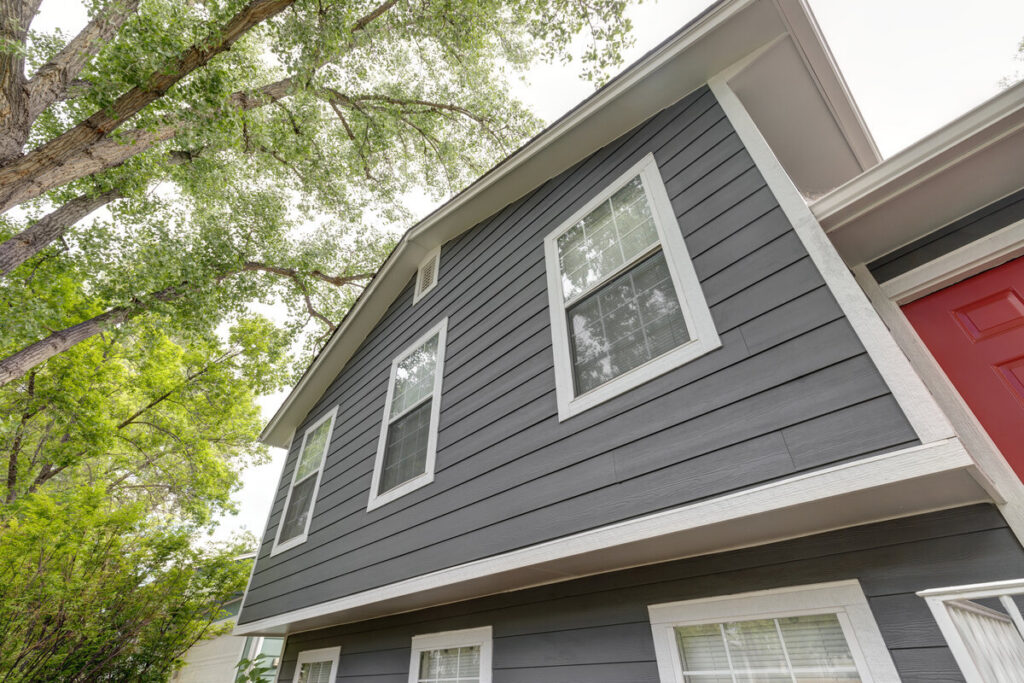
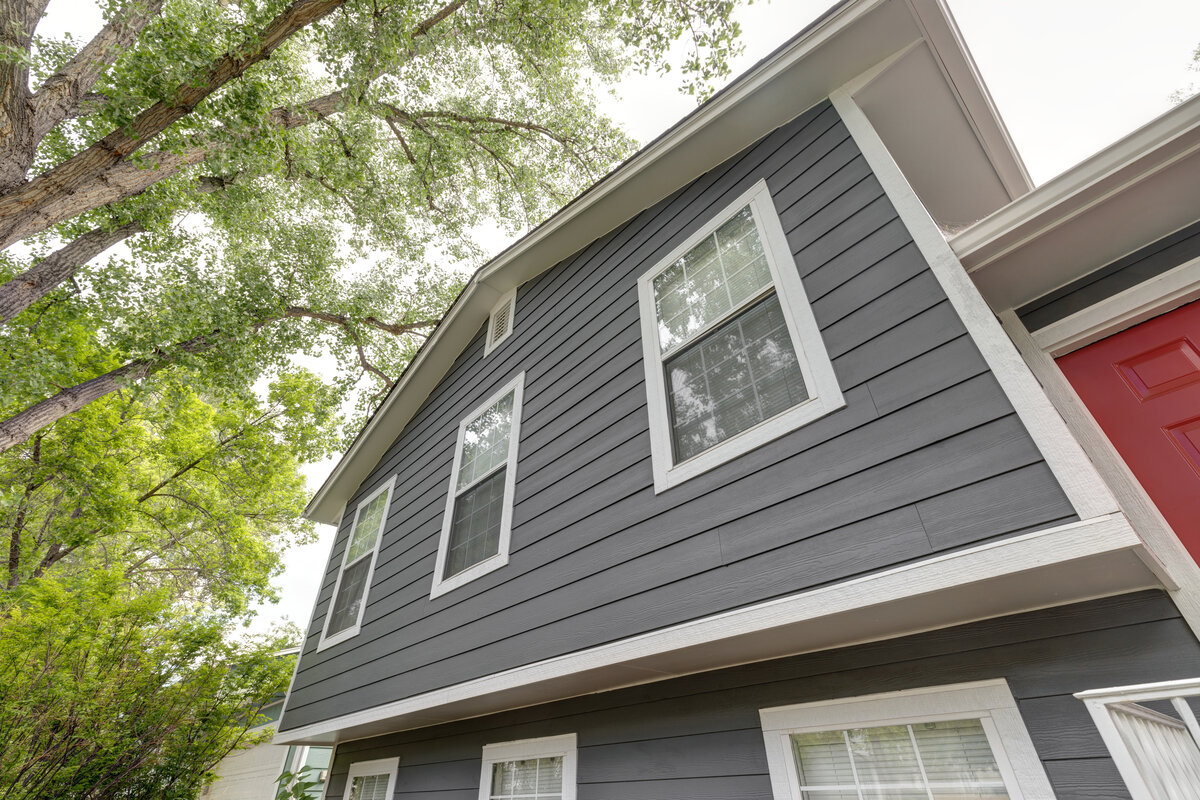
Fiber cement siding is manufactured from cement, sand, and cellulose fibers. This composition provides high resistance to moisture, fire, pests, and wind. The material remains dimensionally stable across temperature and humidity changes.
James Hardie Fiber Cement Systems
James Hardie fiber cement siding is engineered for climate-specific performance. Products are tested for moisture exposure, freeze-thaw cycles, and wind resistance. This testing helps reduce premature deterioration when properly installed.
Maintenance Expectations
Fiber cement siding requires periodic cleaning and repainting based on the finish type. Factory-finished boards typically maintain color longer than site-painted products. Repainting intervals commonly range from 12 to 15 years.
Longevity Compared to Other Siding Options
Fiber cement often exceeds 40 to 50 years of service life when installed and maintained according to manufacturer standards. Maintenance cycles are predictable and infrequent compared to other materials.
Pro Tip: Long-term performance depends on correct flashing, clearances, and fastening during installation.
Need expert help with fiber cement siding? Contact Bellwether Homes for a free consultation.
Why Installation Quality Affects Maintenance
Water Management Details
Most siding failures begin with water, not the siding material itself. Improper flashing, missing kick-out flashing, or poor drainage paths allow moisture to reach the wall assembly. Over time, this leads to swelling, fastener corrosion, paint failure, and interior damage.
At Bellwether Homes, we treat water management as the foundation of every siding project because correct drainage and flashing reduce future repairs more than any material upgrade alone.
Manufacturer Installation Standards
Siding manufacturers publish detailed installation requirements for a reason. Fastener type, spacing, edge clearances, and joint treatment all affect how the siding performs over decades.
James Hardie, in particular, specifies clearances and fastening patterns that prevent moisture intrusion and board movement. We follow these standards on every installation to protect both material performance and warranty coverage.
System-Based Installation
Siding does not perform in isolation. Trim, flashing, weather barriers, and ventilation all work together as one system. Bellwether Homes installs siding as a complete exterior assembly, not as individual components. This approach limits stress on the siding, improves moisture control, and significantly reduces long-term maintenance risks.
How to Choose the Right Siding Options for Your Home
Climate Exposure
Colorado homes experience intense UV exposure, strong winds, frequent hail, and repeated freeze-thaw cycles. These conditions accelerate wear on siding materials that expand, contract, or absorb moisture.
Fiber cement siding, including James Hardie products, is engineered for high dimensional stability, which helps it resist cracking, warping, and fastener movement under temperature swings. Its impact resistance and moisture tolerance also make it better suited for wind-driven rain and hail common along the Front Range and foothills.
Ownership Timeline
The length of time you plan to own your home should influence material selection. Homeowners planning to stay long term often prioritize siding with extended service life and predictable maintenance.
Fiber cement siding is commonly chosen for long-term ownership because it offers consistent performance over decades, with repainting cycles that are longer and more reliable than many alternative materials. This reduces ongoing maintenance demands as the home ages.
Cost vs Service Life
Initial material cost does not always reflect total ownership expense. Fiber cement and James Hardie siding typically cost more upfront than vinyl or some engineered wood options, but they often require fewer repairs, resist damage more effectively, and last significantly longer.
When evaluated over a 30- to 50-year period, fiber cement siding frequently results in lower cumulative maintenance and replacement costs, especially under Colorado’s demanding climate conditions.
Schedule a Siding Consultation with Bellwether Homes
Choosing among siding options requires balancing durability, maintenance expectations, and installation quality. Bellwether Homes specializes in James Hardie fiber cement siding systems designed for long-term performance. Contact us to review material options, installation requirements, and pricing for your home.