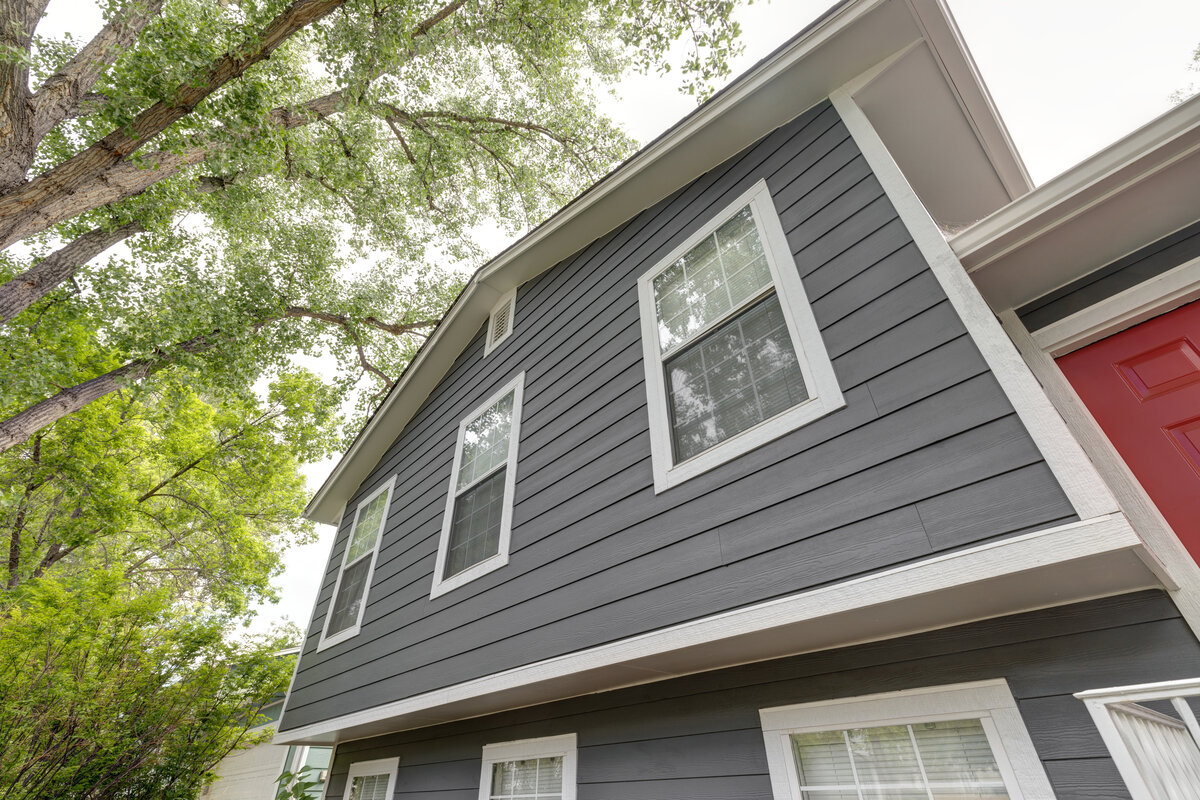
New siding plays a critical role in protecting the structure, managing maintenance, and preserving long-term value. Homeowners often compare vinyl and fiber cement siding because both are widely used exterior options, yet their performance differs in ways that directly affect durability and cost over time.
Understanding Fiber Cement and Vinyl Siding at a Glance
What Fiber Cement Siding Is Made Of
Fiber cement siding is manufactured from cement, sand, and cellulose fibers. The result is a dense, rigid product that resists impact, moisture, and fire. Boards are thicker and heavier, which improves durability but requires professional installation and proper fastening.
What Vinyl Siding Is Made Of
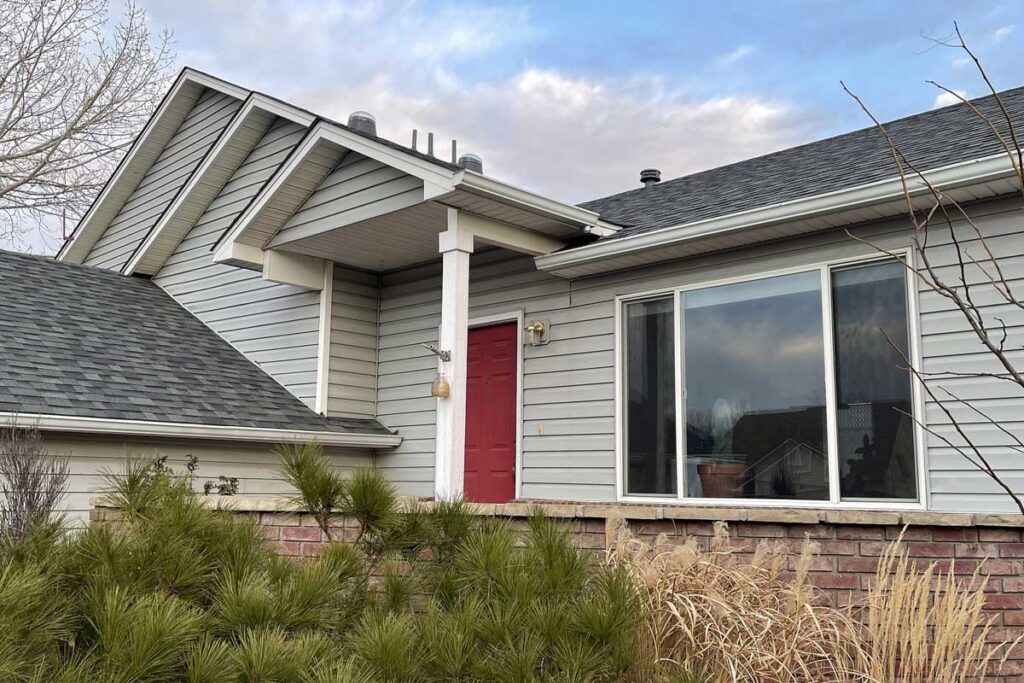
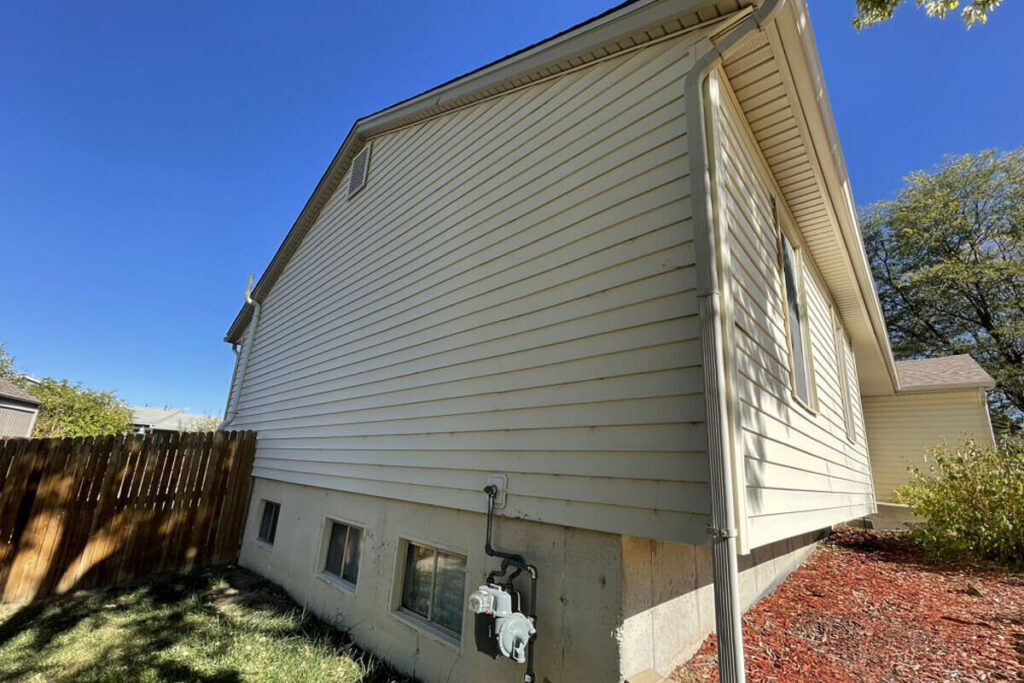
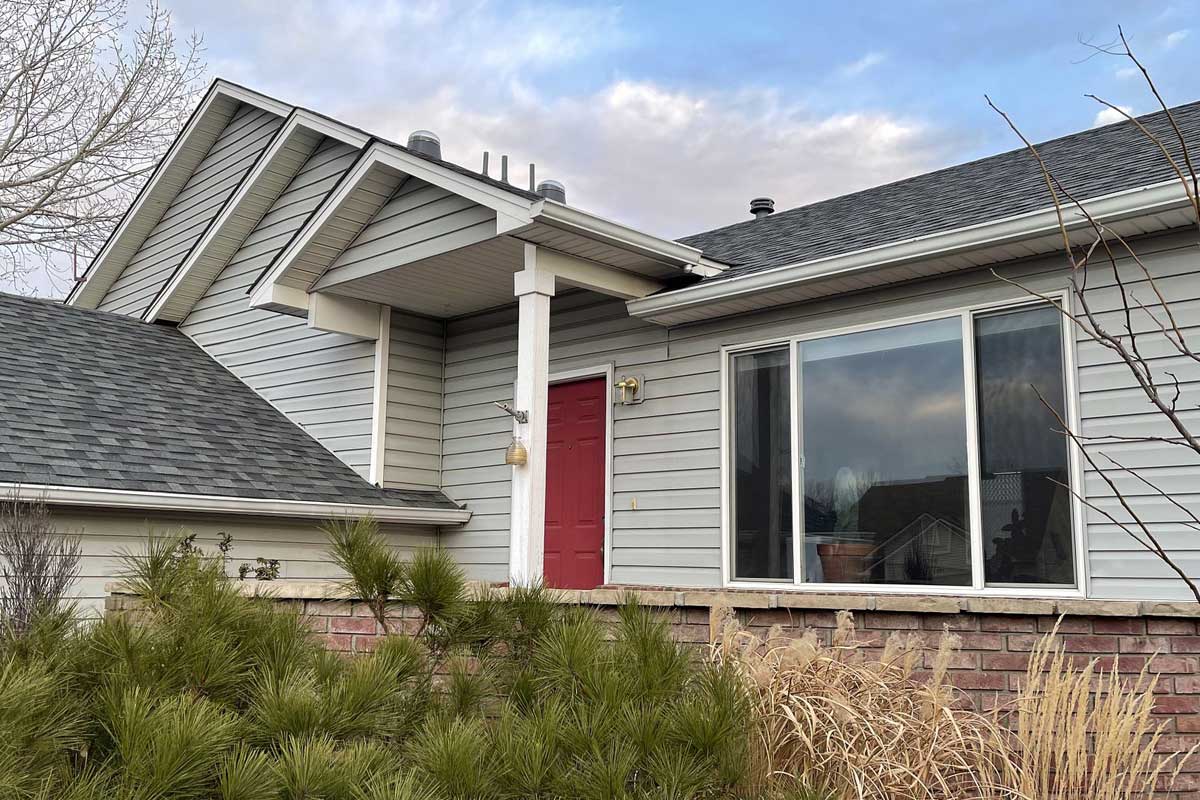
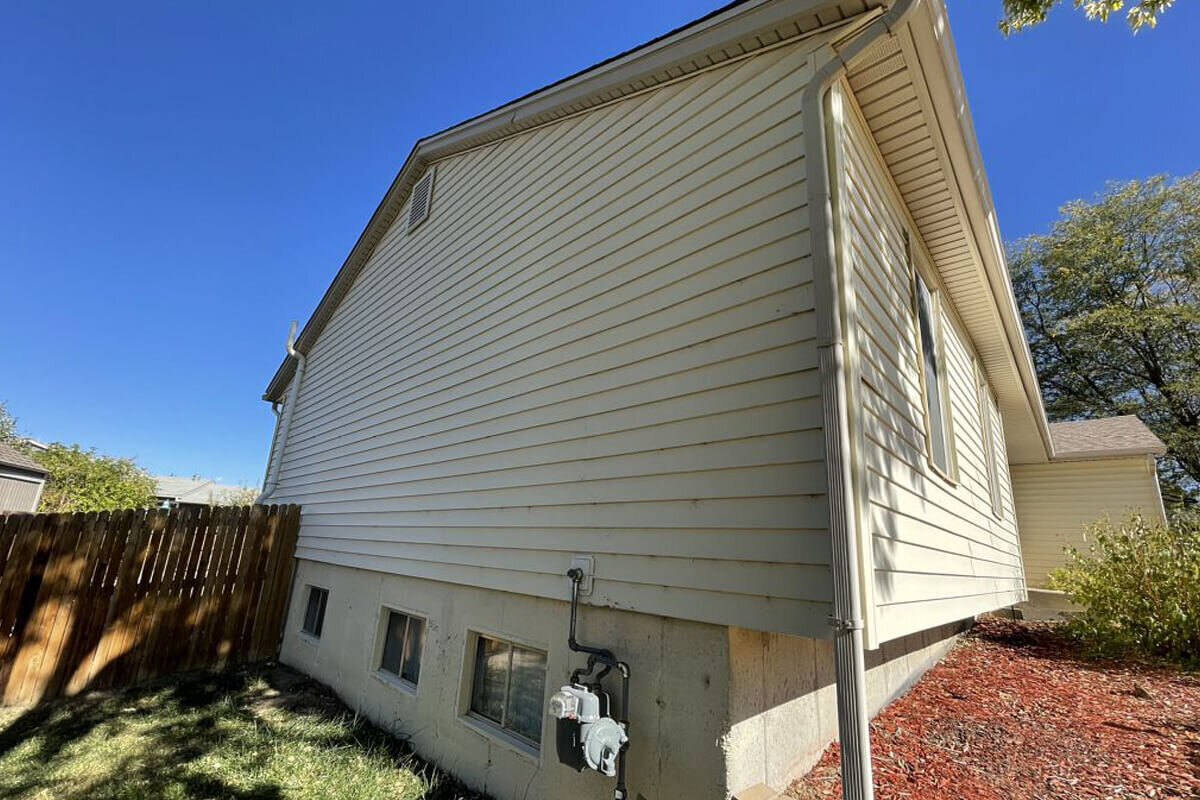
Vinyl siding is produced from PVC plastic. It is lightweight, flexible, and quicker to install. Vinyl appeals to homeowners looking for lower upfront cost and minimal maintenance, though its flexibility can limit performance under stress.
Vinyl and Fiber Cement Siding: Core Performance Differences
Structural Strength and Impact Resistance
Fiber cement holds its shape under impact from hail, debris, and wind-driven objects. Vinyl can crack or loosen when struck, especially in colder temperatures.
Moisture, Rot, and Humidity Performance
Fiber cement does not rot and remains dimensionally stable when installed with proper clearances. Vinyl does not absorb water, but it can trap moisture behind panels if flashing or drainage planes fail.
Fire Rating and Safety Considerations
Fiber cement is non-combustible and carries a Class A fire rating. Vinyl can soften or melt when exposed to high heat, which is a concern in fire-prone conditions.
Thermal Stability and Seasonal Movement
Fiber cement expands and contracts far less than vinyl. Reduced movement helps maintain tight seams and a consistent appearance over time.
Key Takeaway: Fiber cement delivers stronger, more predictable performance across structural, moisture, and safety categories.
Maintenance, Repairs, and Long-Term Ownership Costs
Routine Maintenance Requirements Over Time
Fiber cement requires periodic repainting but minimal cleaning. Vinyl does not need paint, though it can fade and requires regular washing to prevent staining.
Repair Scenarios and Replacement Limitations
Individual fiber cement boards can be replaced when damaged. Vinyl repairs often involve matching faded colors or replacing entire sections.
Total Cost of Ownership vs Initial Install Cost
Vinyl typically costs less upfront. Fiber cement often costs less over the life of the home due to a longer lifespan and fewer failures.
Pro Tip: Homes that require repeated siding repairs often benefit from switching to fiber cement rather than continuing patchwork fixes.
Need expert help with siding replacement? Contact Bellwether Homes for a free consultation.
Aesthetics, Curb Appeal, and Architectural Fit
Texture, Thickness, and Shadow Lines
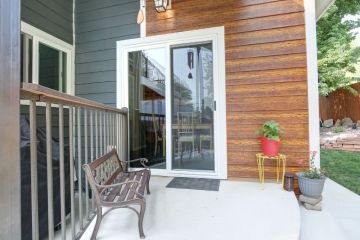
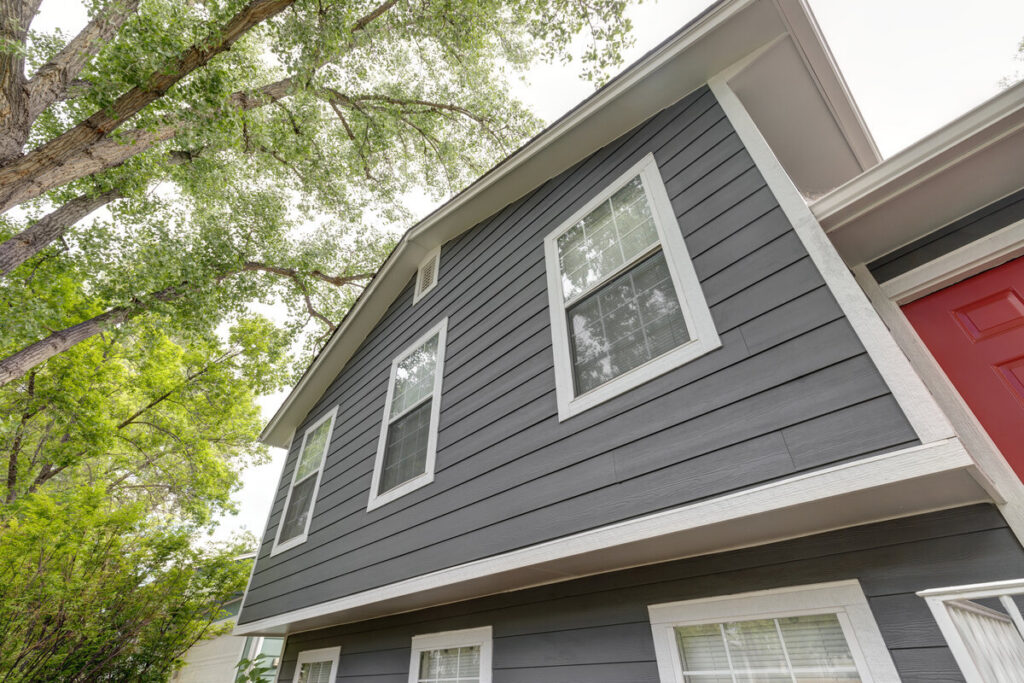
Fiber cement offers deeper shadow lines and realistic wood textures. Vinyl profiles are thinner, which can appear flatter from the street.
Color Options and Fade Resistance
Factory-finished fiber cement holds color longer and can be repainted. Vinyl color is integral but may fade unevenly over time.
Best Siding Choice by Home Style
Fiber cement pairs well with ranch, craftsman, and modern homes that benefit from clean lines and solid proportions.
Climate Performance: Choosing the Right Siding for Midwest Weather
Freeze-Thaw Cycles and Temperature Swings
Fiber cement remains stable through seasonal changes. Vinyl becomes brittle in cold weather and more flexible in heat.
Wind-Driven Rain and Storm Exposure
Properly installed fiber cement sheds water effectively and resists blow-off during storms.
Key Takeaway: Climate stress is a major reason homeowners upgrade to fiber cement after vinyl failure.
Environmental Impact and Sustainability Considerations
Material Longevity and Waste Reduction
Fiber cement siding lasts significantly longer than vinyl, which reduces how often siding needs to be replaced. Fewer replacements mean less material waste over the life of the home.
Energy Efficiency and Wall System Performance
Neither material insulates on its own. Energy efficiency depends on proper insulation, air sealing, and installation quality, not the siding material itself.
Fiber Cement vs Vinyl Siding: Which Makes Sense for Your Home?
When Vinyl Siding Is the Practical Choice
Vinyl siding can make sense for homeowners planning to sell in the near term or working within a tighter budget. It offers a quicker install and lower upfront cost for straightforward exterior updates.
When Fiber Cement Is the Better Investment
Fiber cement is better suited for long-term ownership, durability, and resale value. In direct comparisons of vinyl and fiber cement siding, fiber cement consistently appeals to homeowners who want lasting performance and fewer future replacements.
Why Proper Installation Matters More Than Material Choice
Common Installation Failures We See During Siding Inspections
We often find missing flashing, incorrect clearances, and improper fastening. These issues allow moisture intrusion and shorten the lifespan of any siding material.
How Professional Installation Protects Your Investment
Proper installation ensures moisture control, structural stability, and warranty compliance. We install fiber cement siding to manufacturer standards so the system performs as intended over time.
Work With Bellwether Homes to Choose the Right Siding System
We begin with a detailed inspection of your existing siding, wall assembly, and moisture management details. From there, we recommend a fiber cement siding system built for durability, performance, and long-term value, then install it to manufacturer standards.
If you are comparing vinyl and fiber cement siding and want expert guidance grounded in real inspection experience, we can help you evaluate your options. Contact Bellwether Homes to schedule a fiber cement siding consultation and get clear answers before you invest.